Chapter 2 of 12
Antiquity
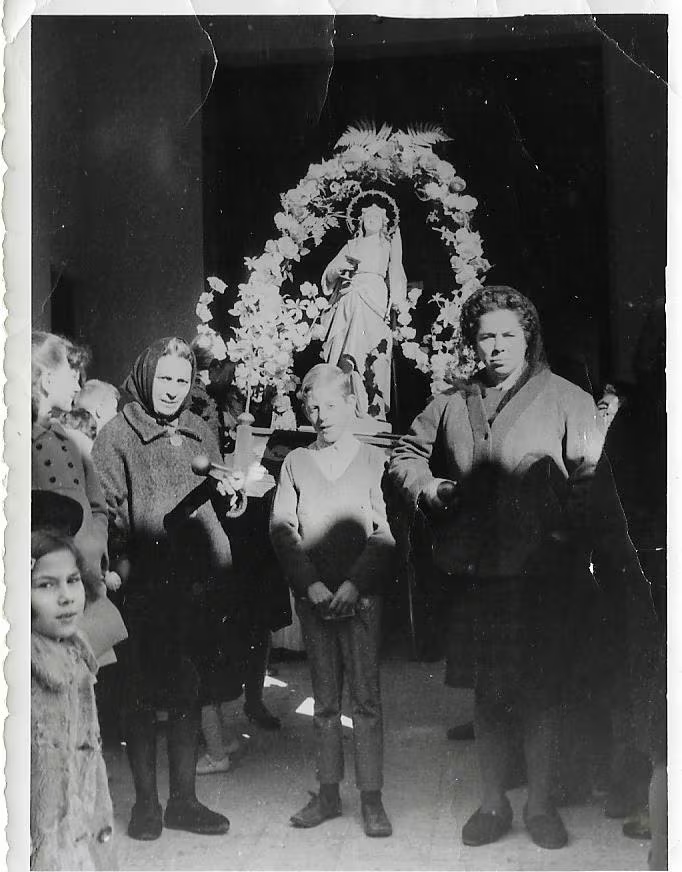
Older women used to say their grandmothers did the same. The earliest written document we have today is much later. We explain both.
The day they rule
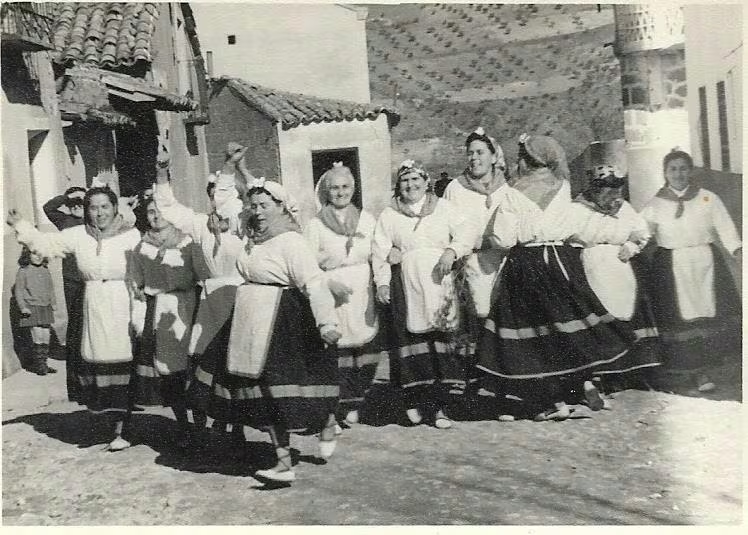
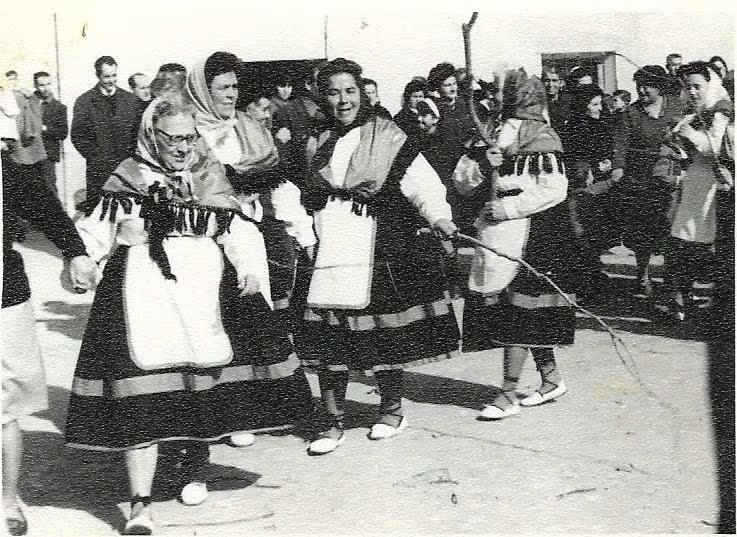
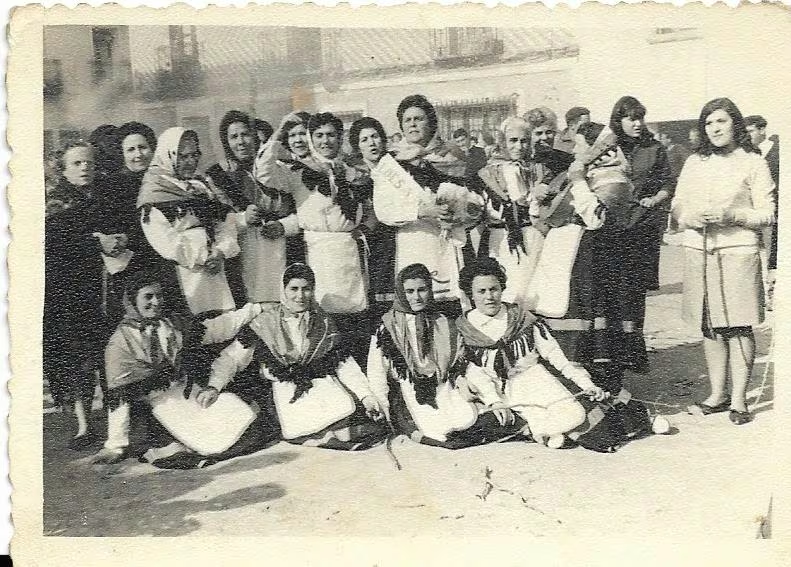
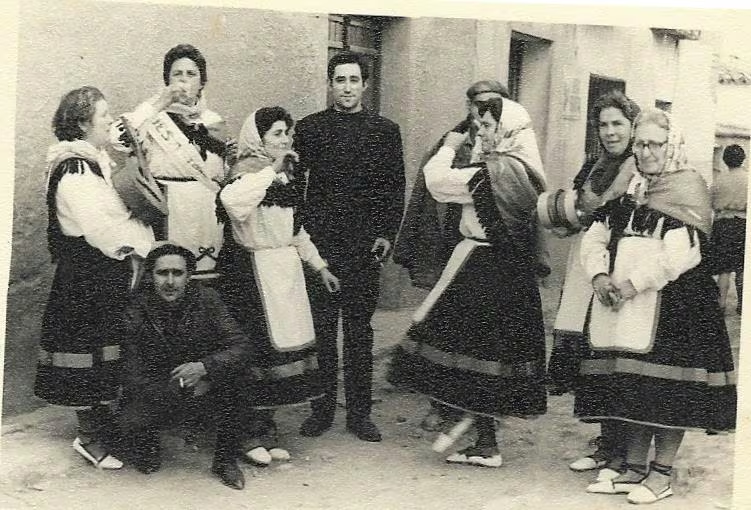
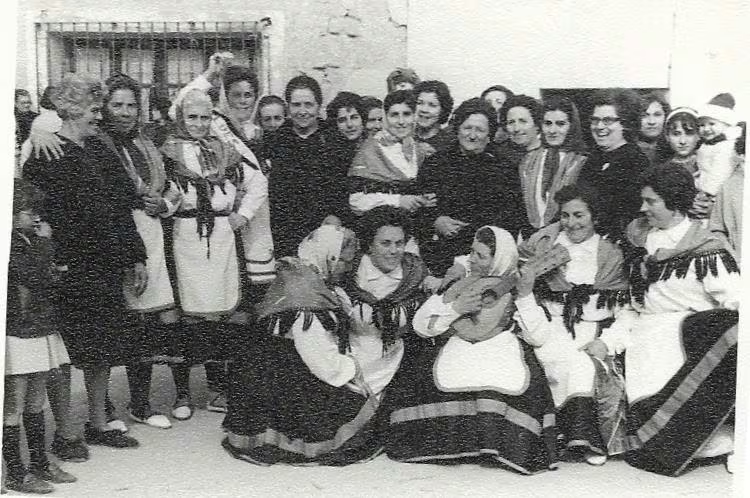
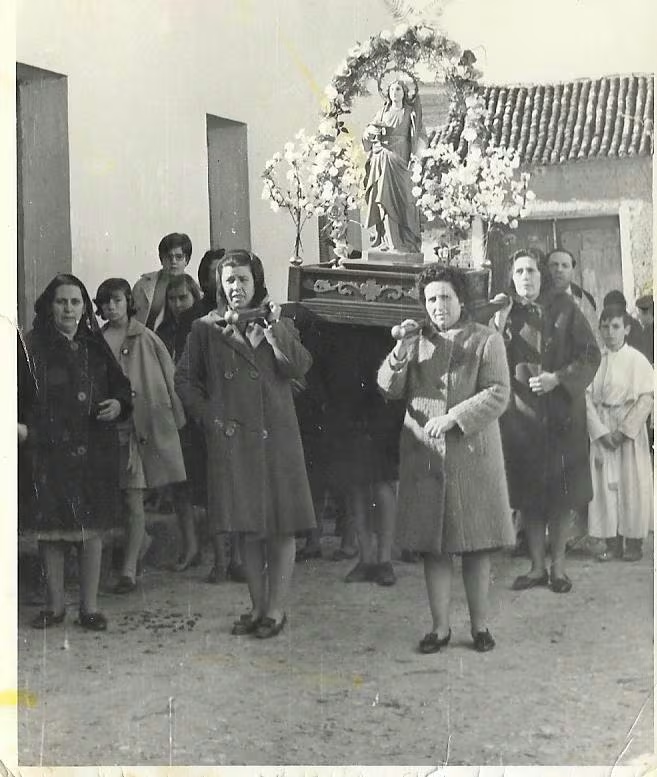
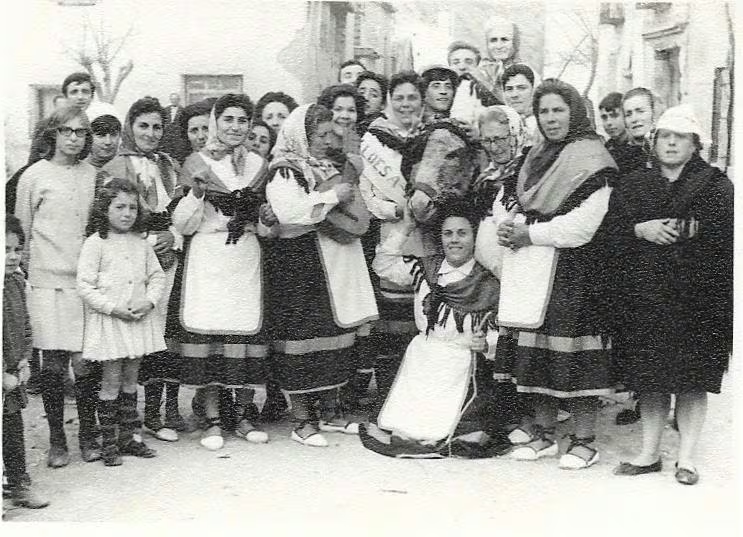
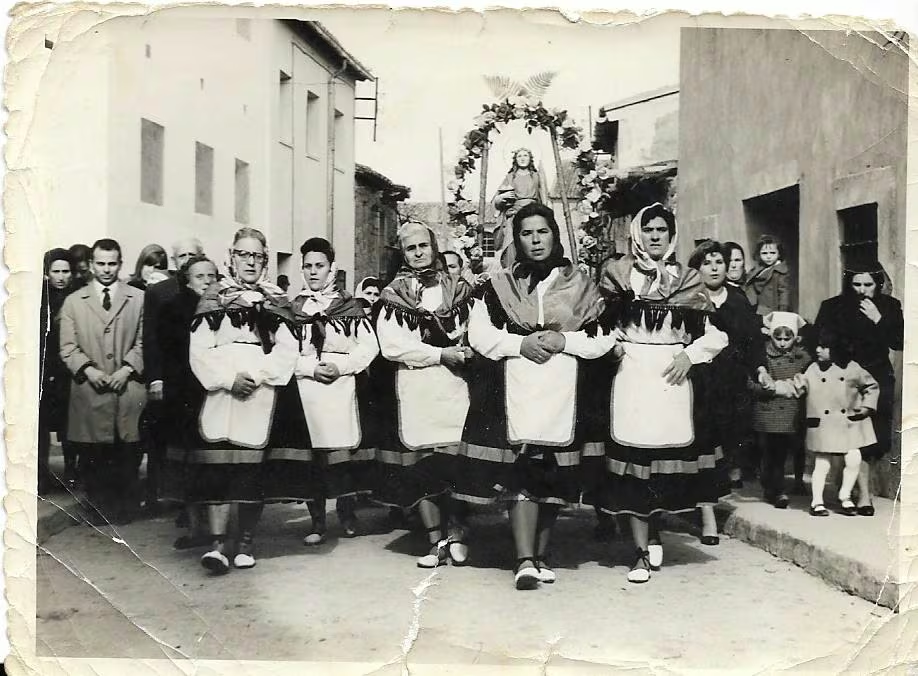
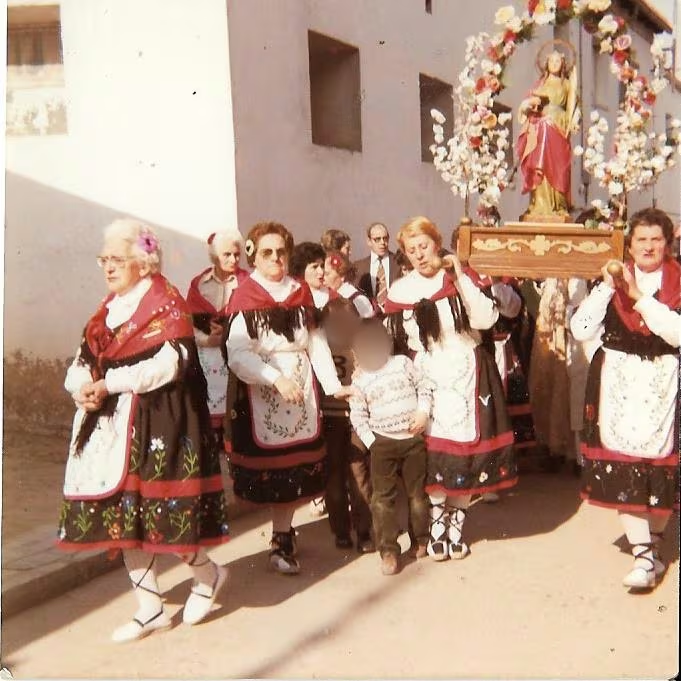
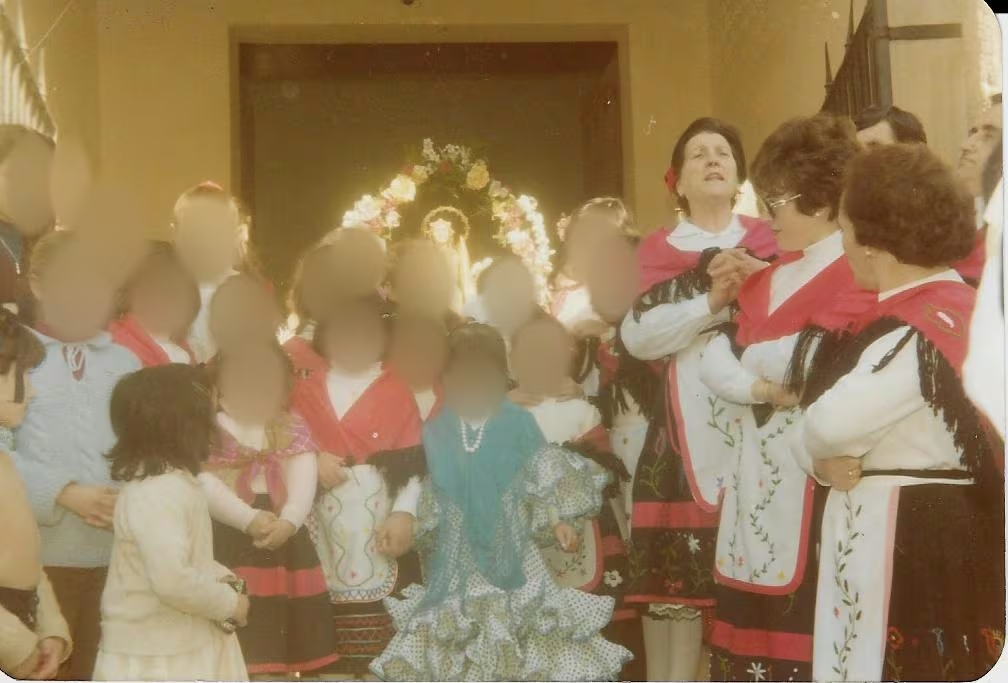
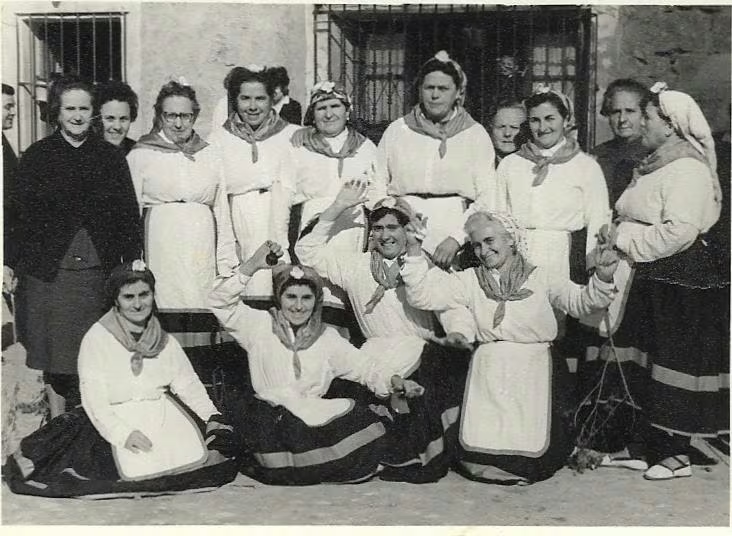
Saint Agatha’s feast day is 5 February, and in Espinosa it is celebrated on the first Saturday of that month. It has been a Festival of Regional Tourist Interest since 1998, and what defines it is simple to say: it is the day women rule.
The village says it dates back to the 16th and 17th centuries. That date comes from the study by Miguel Mínguez Gutiérrez (1991), who writes carefully: «The festival in our village leads us to suppose that its celebration goes back to the 16th-17th centuries». The detail, with each source and its degree of certainty, is in History and age.
Husbands in aprons
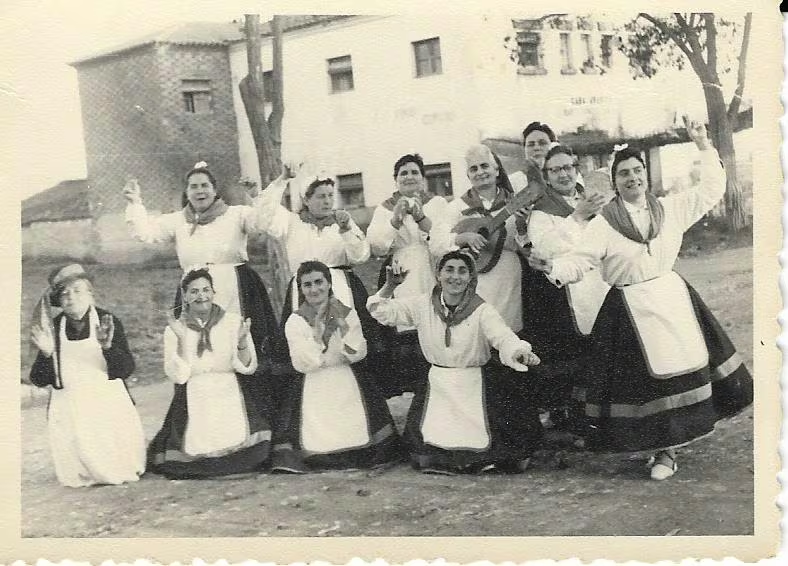
In the oldest memories the women paraded through the streets dancing, while their husbands watched the merriment from windows or doorways. On that day the men wore the aprons, minded the children and swept the doorstep: the chores the women did the rest of the year, which they had better have finished.
By 1977 ABC was reporting that the sight of married men at their doors with apron and broom had disappeared.