The festival
A whole day upside down
From the bells on the eve to the midnight when power is handed back. Scroll down and watch the sky change.
Next edition: Saturday 6 February 2027. Times are approximate, taken from recent years’ programmes. The Brotherhood publishes the official programme each year.
Around 11:30
The staff and the proclamation
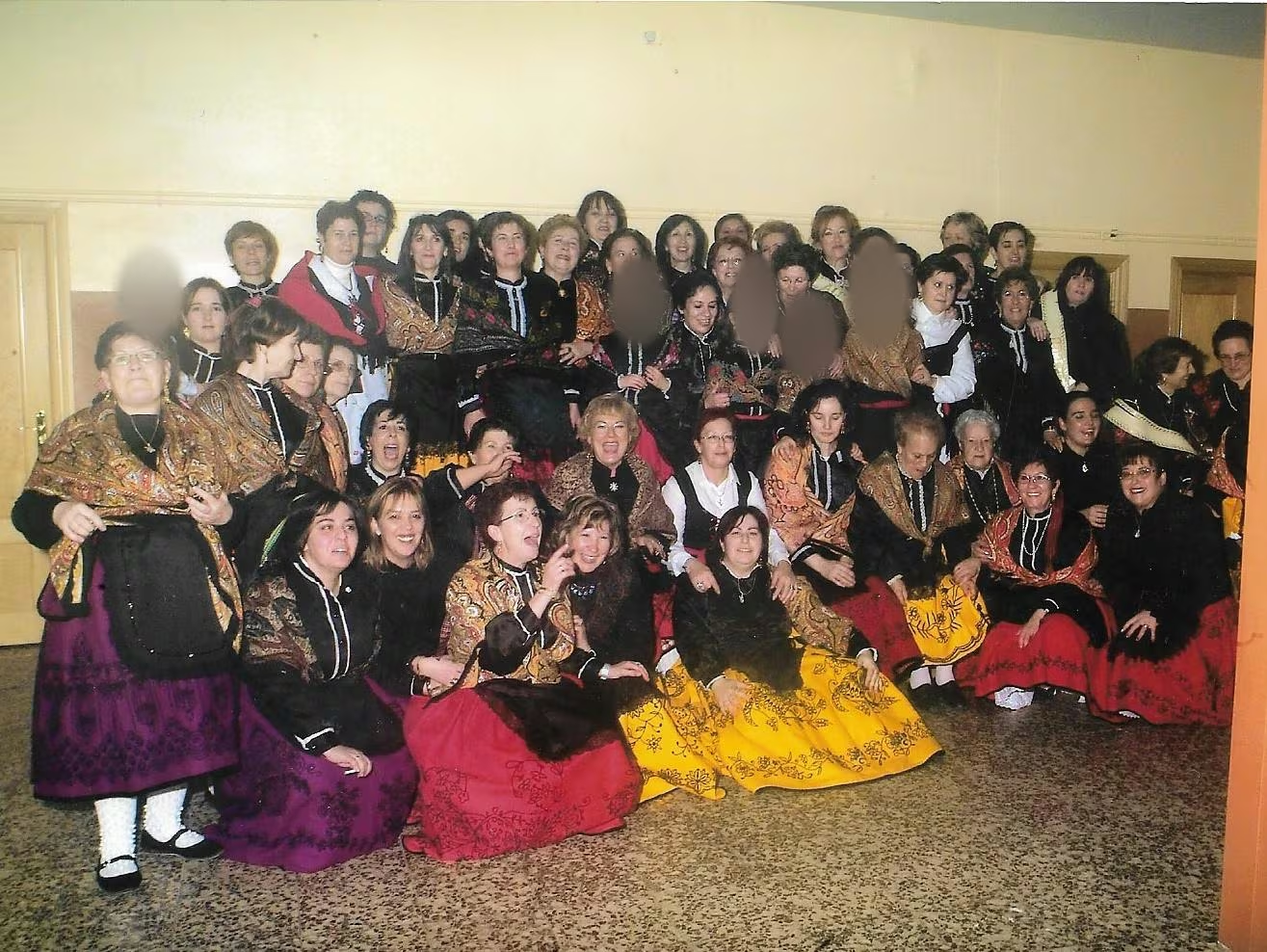
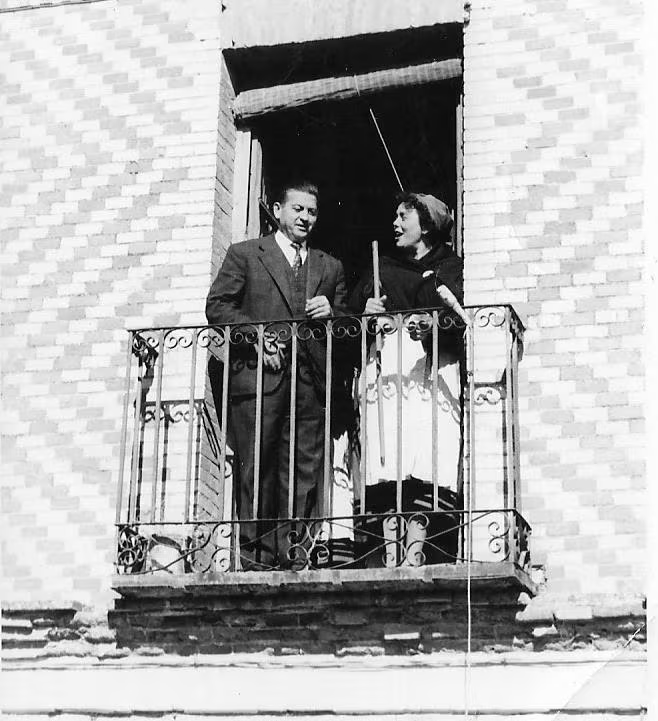
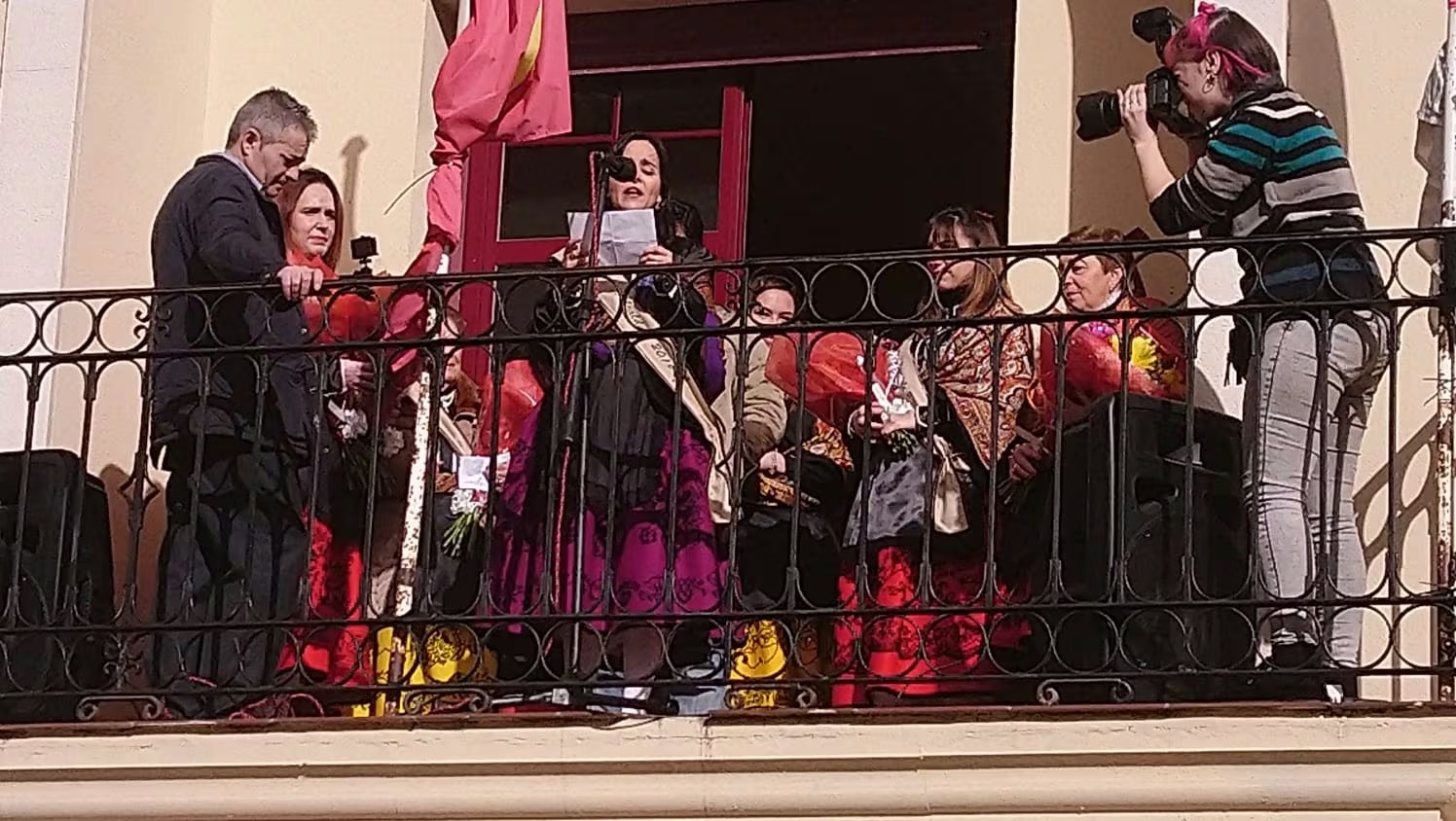
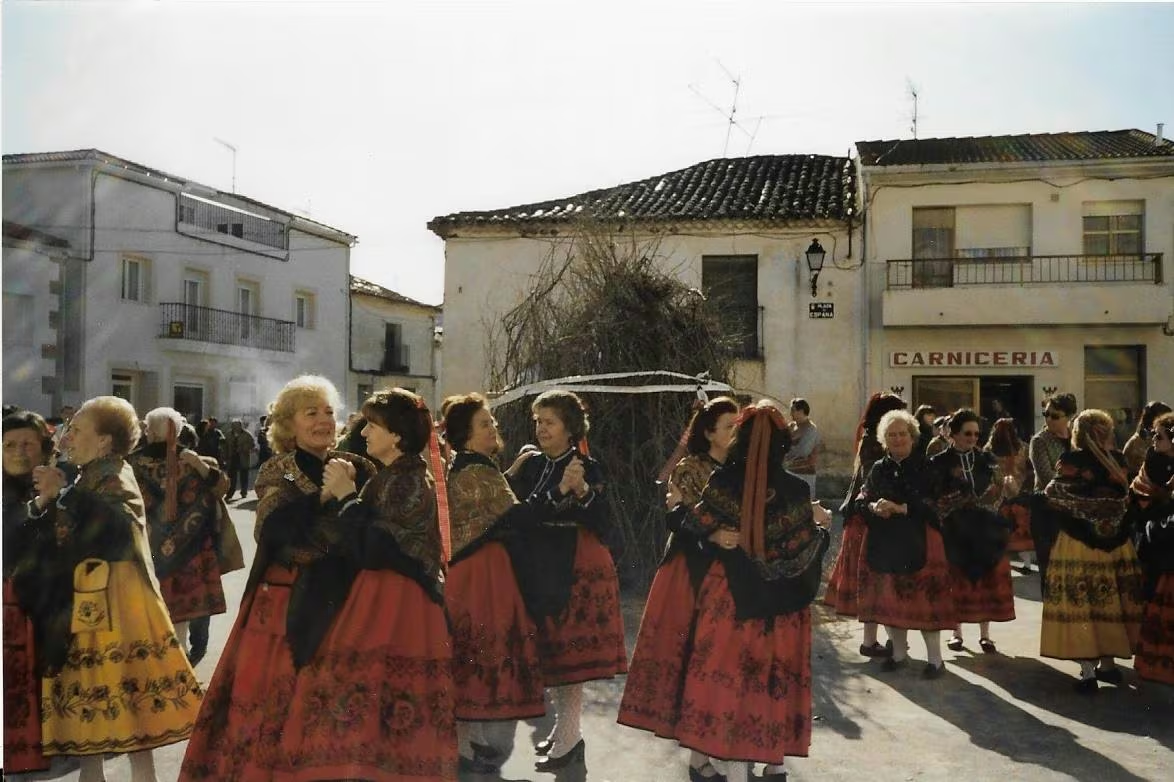
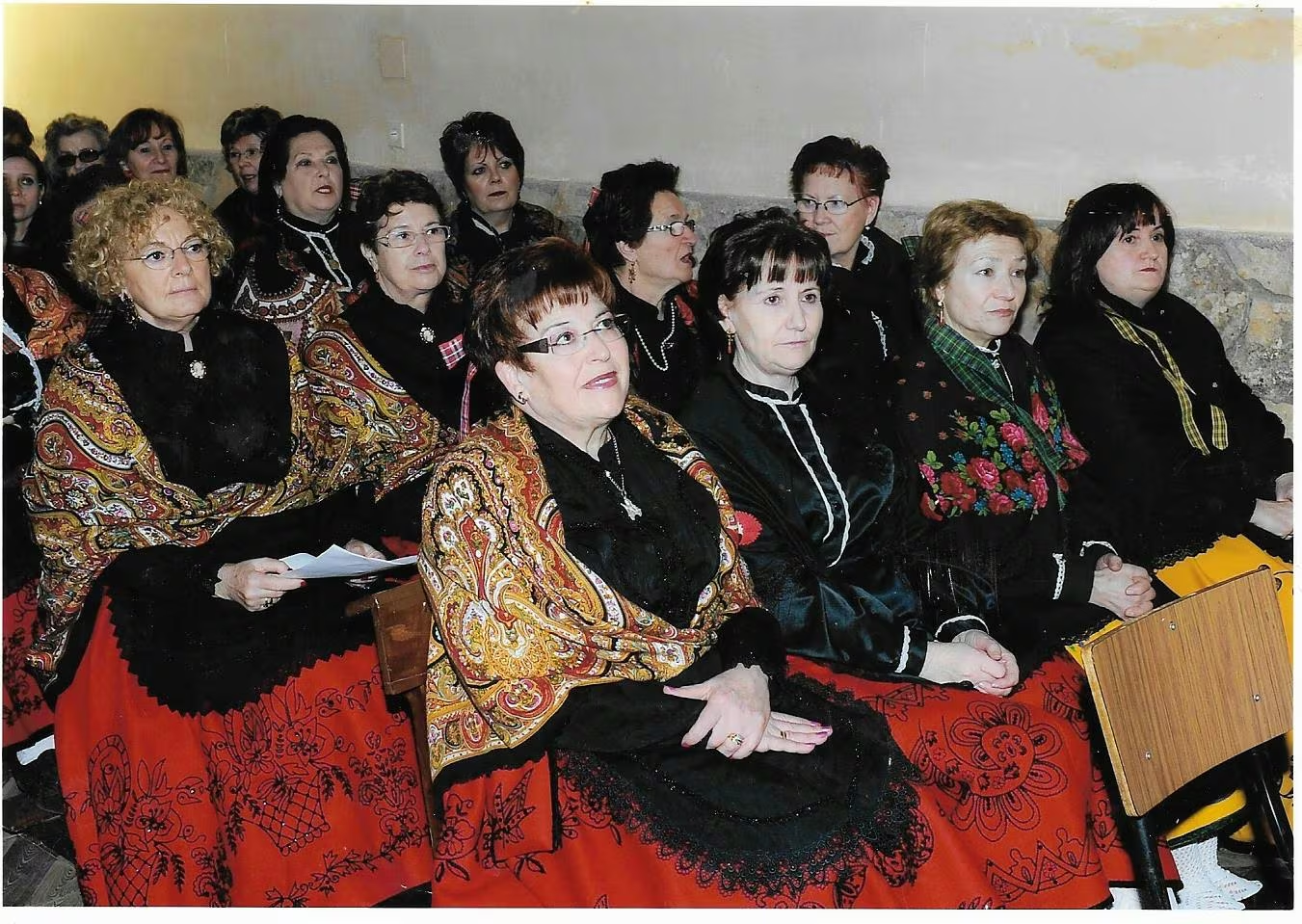
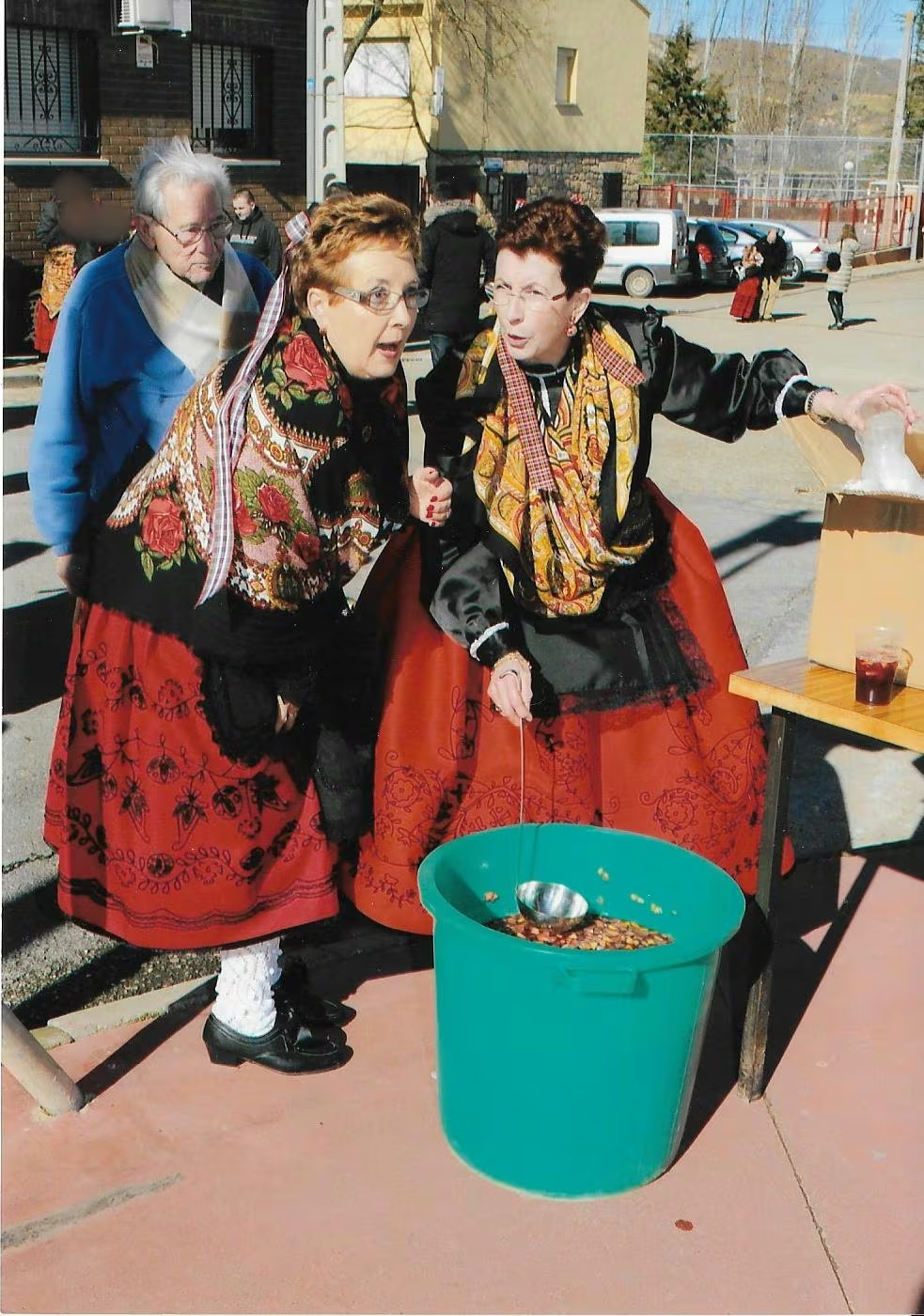
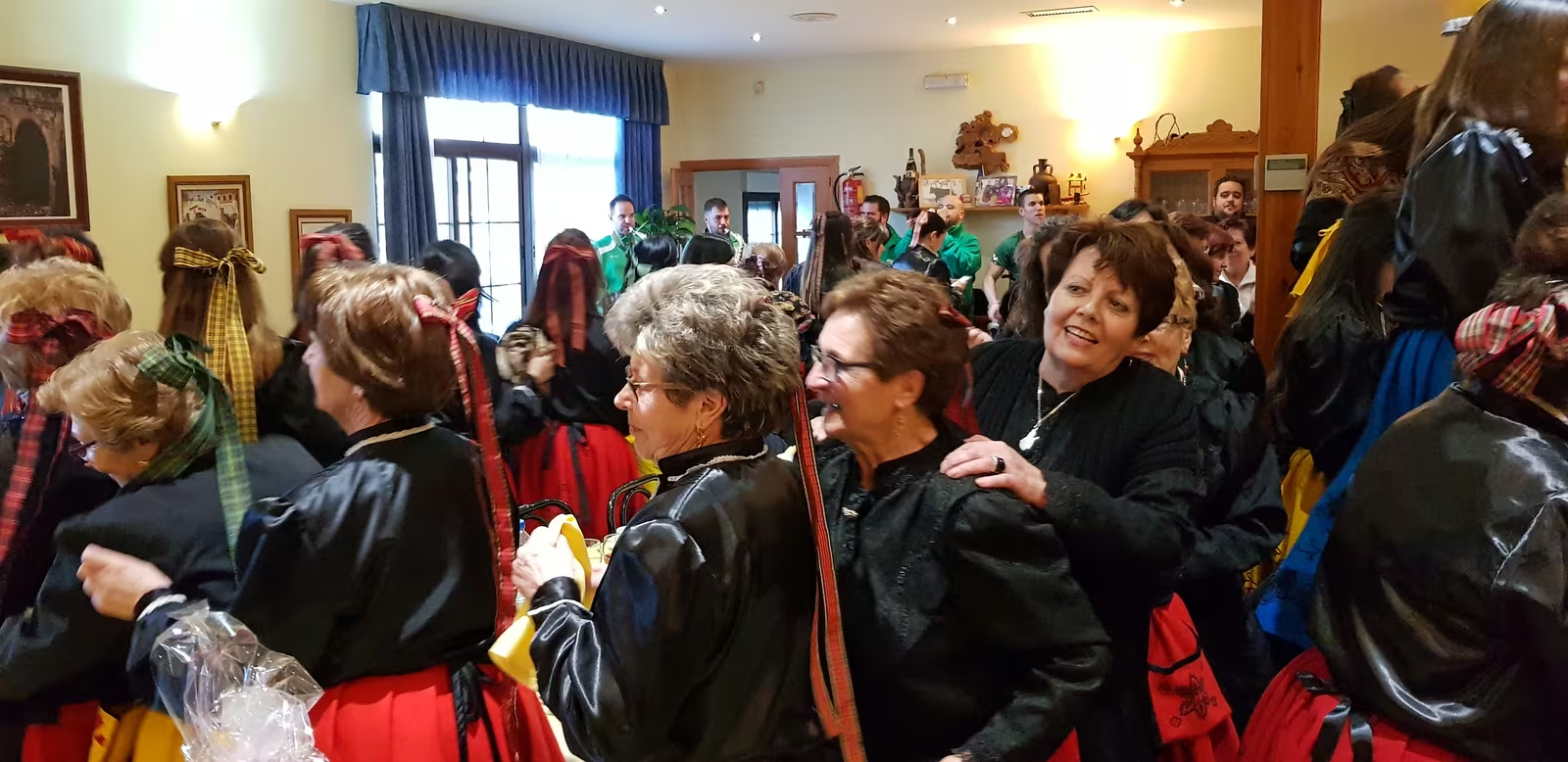
This is the central act. On the town hall balcony the mayor hands the staff of office to the mayoress and places the sash on her. Until midnight she governs on behalf of all. Beside her stand the two councillors drawn by lot from among the sisters, the Honorary Mayoress, a role model invited that year, and the Honorific Mayoress, one of the oldest sisters. The proclamation is read and the village answers with cheers.
Midday
Procession and blessing of the bonfire
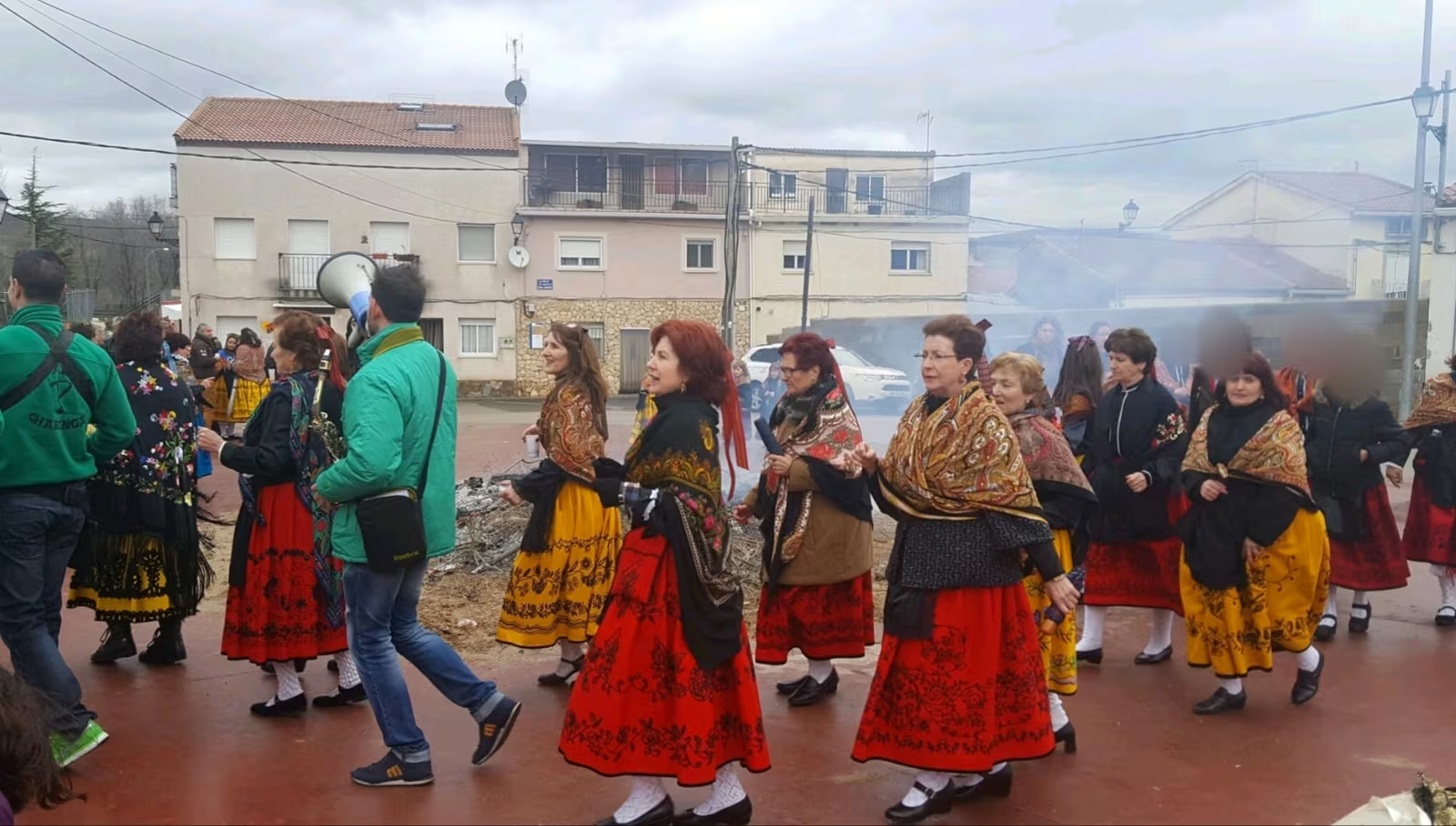
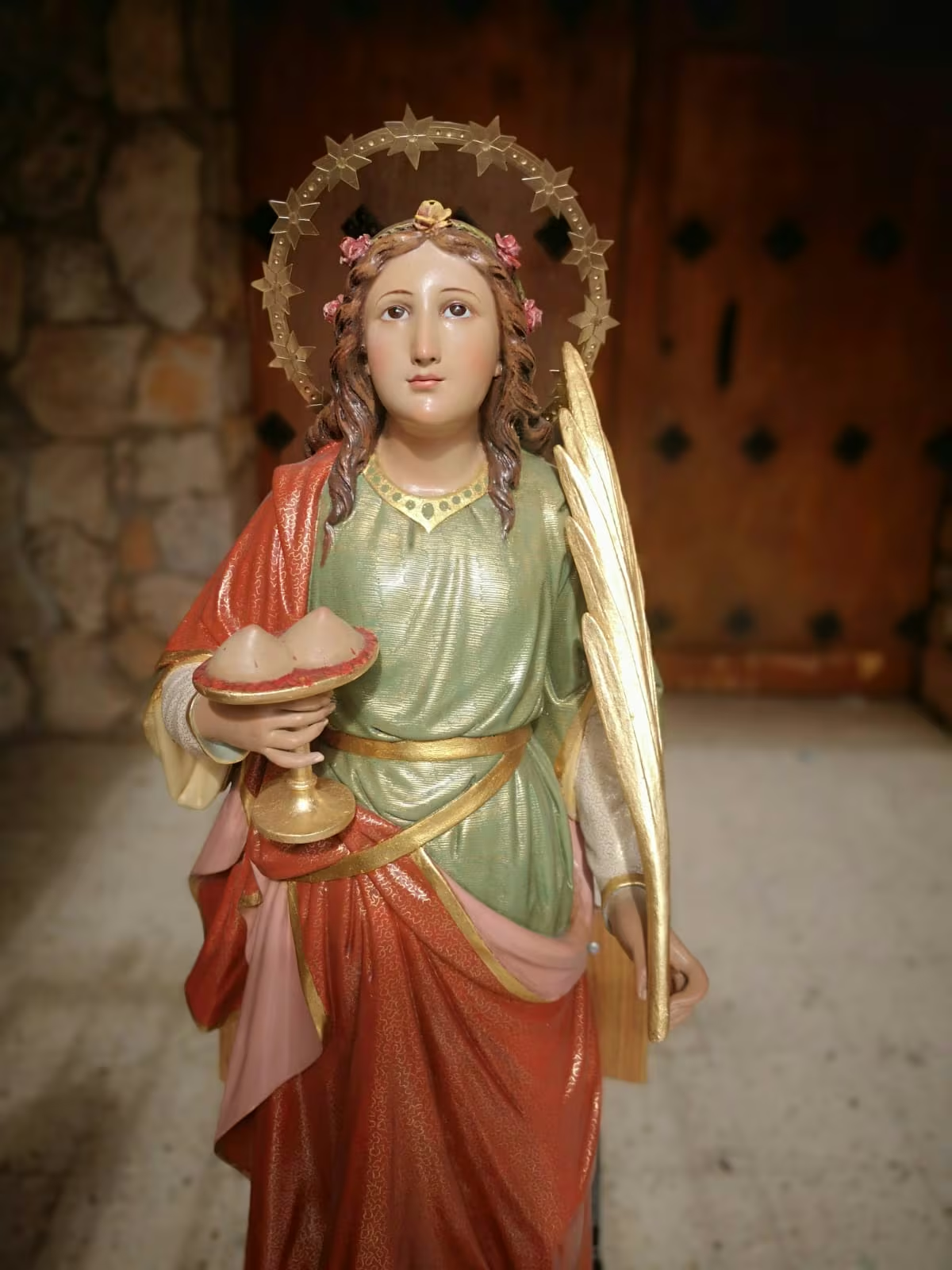
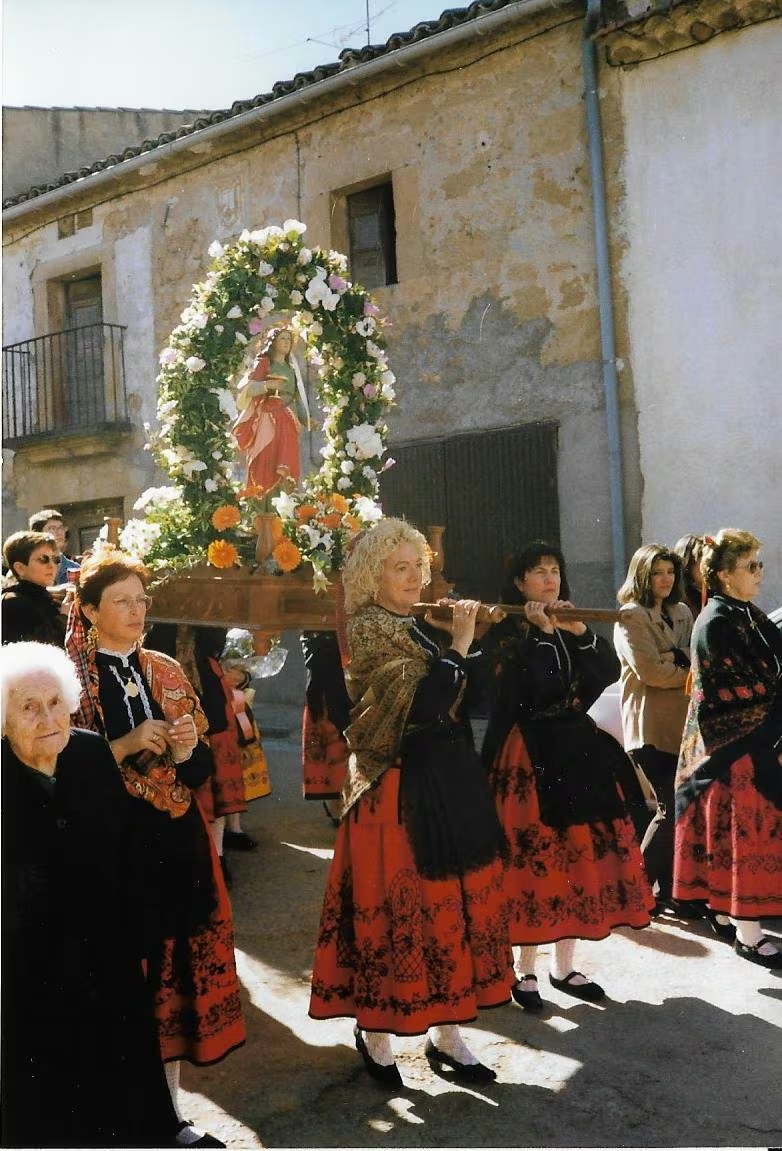
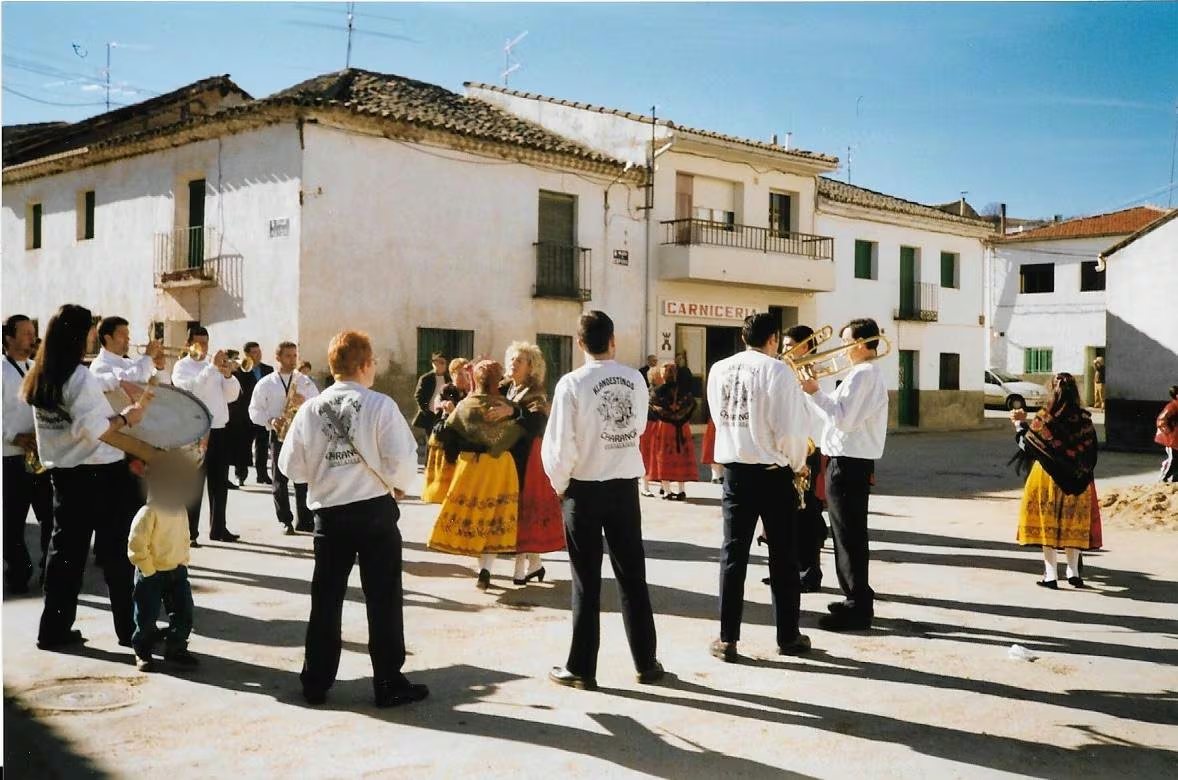
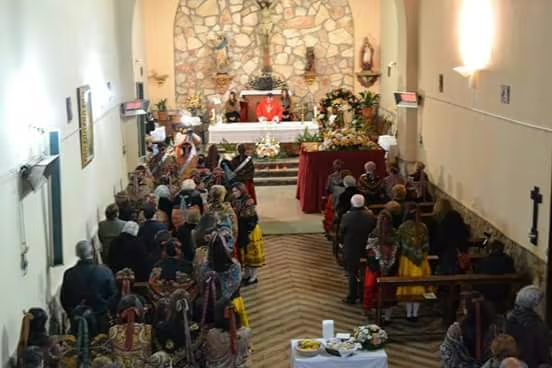
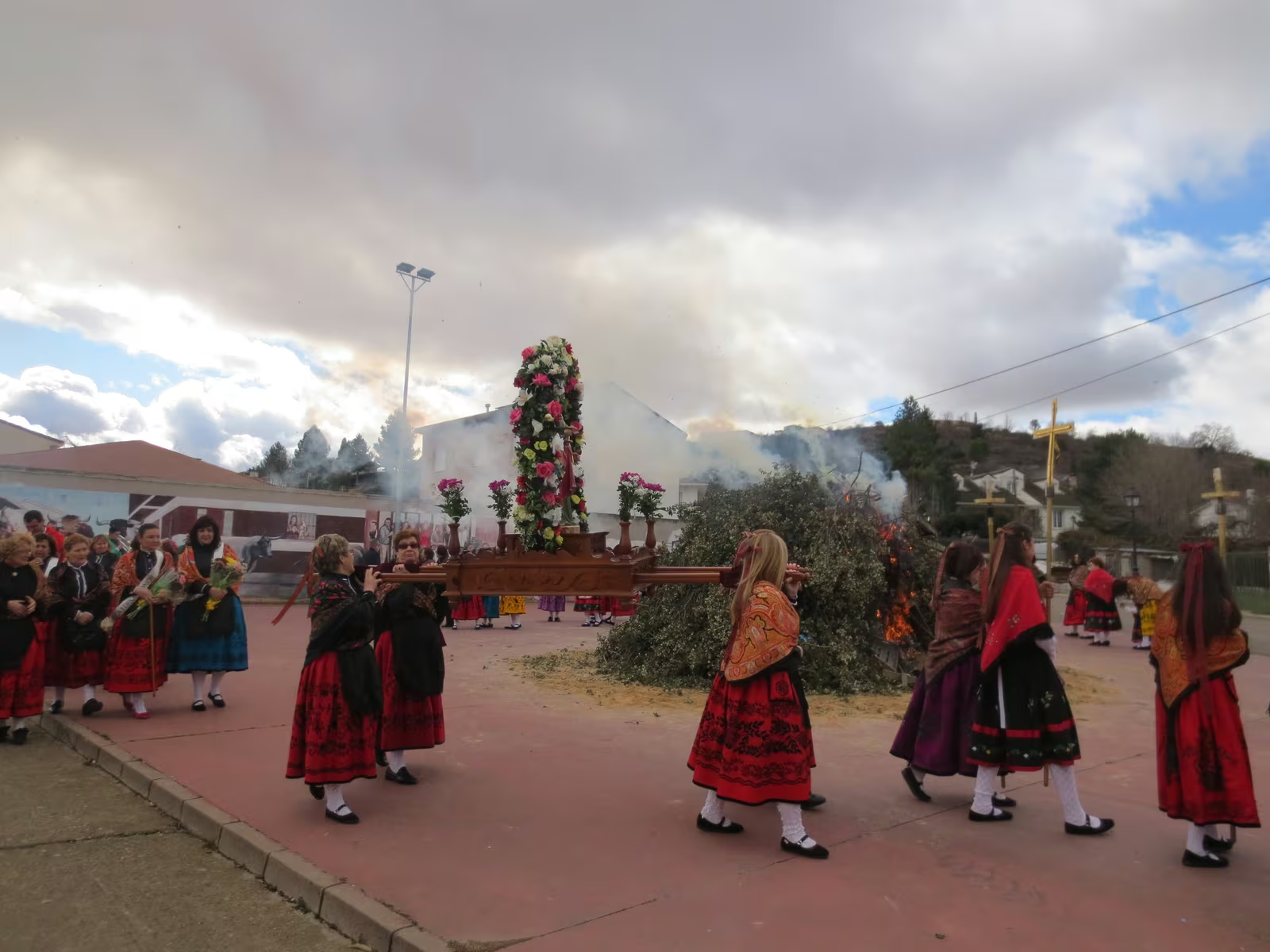
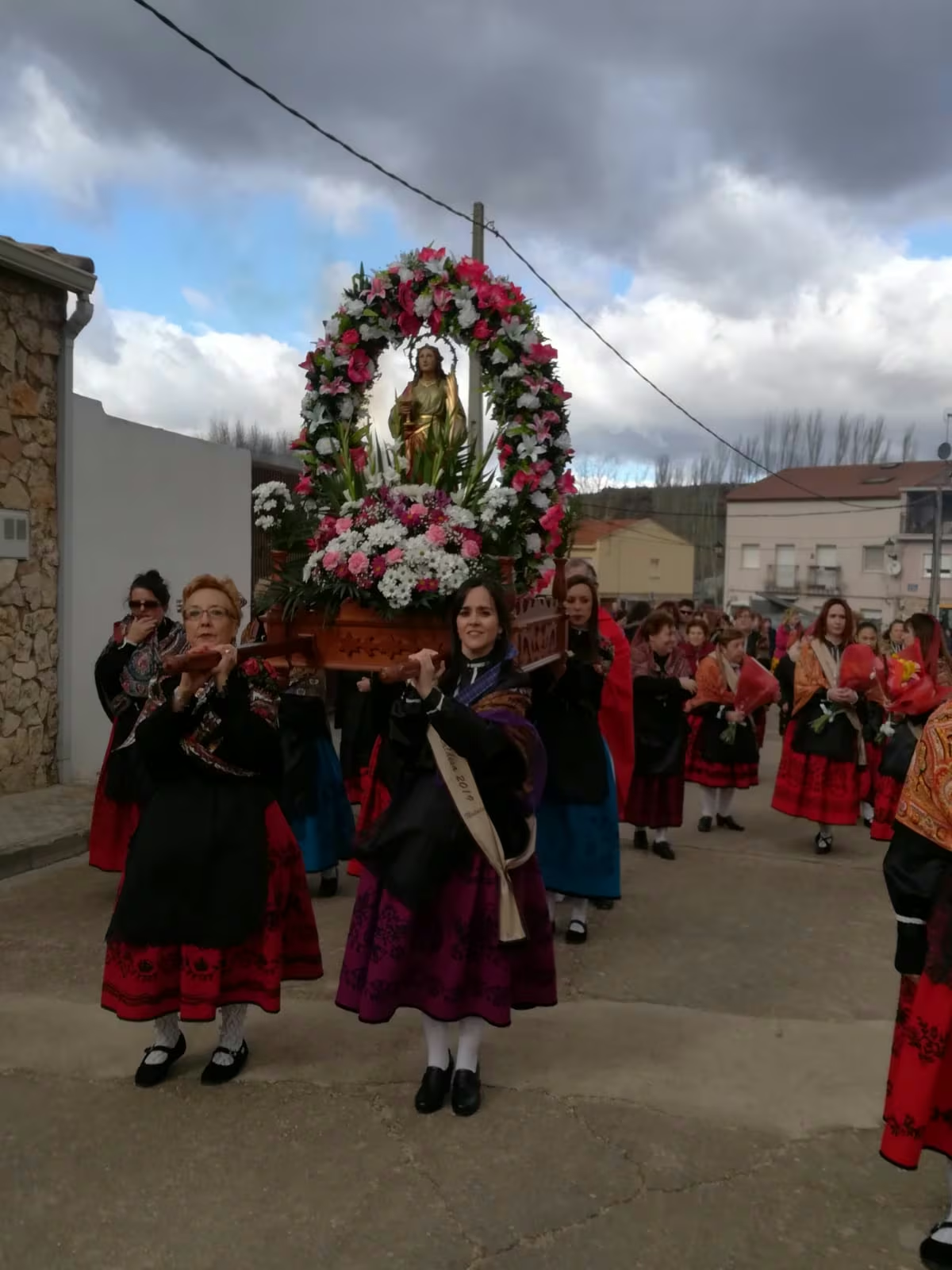
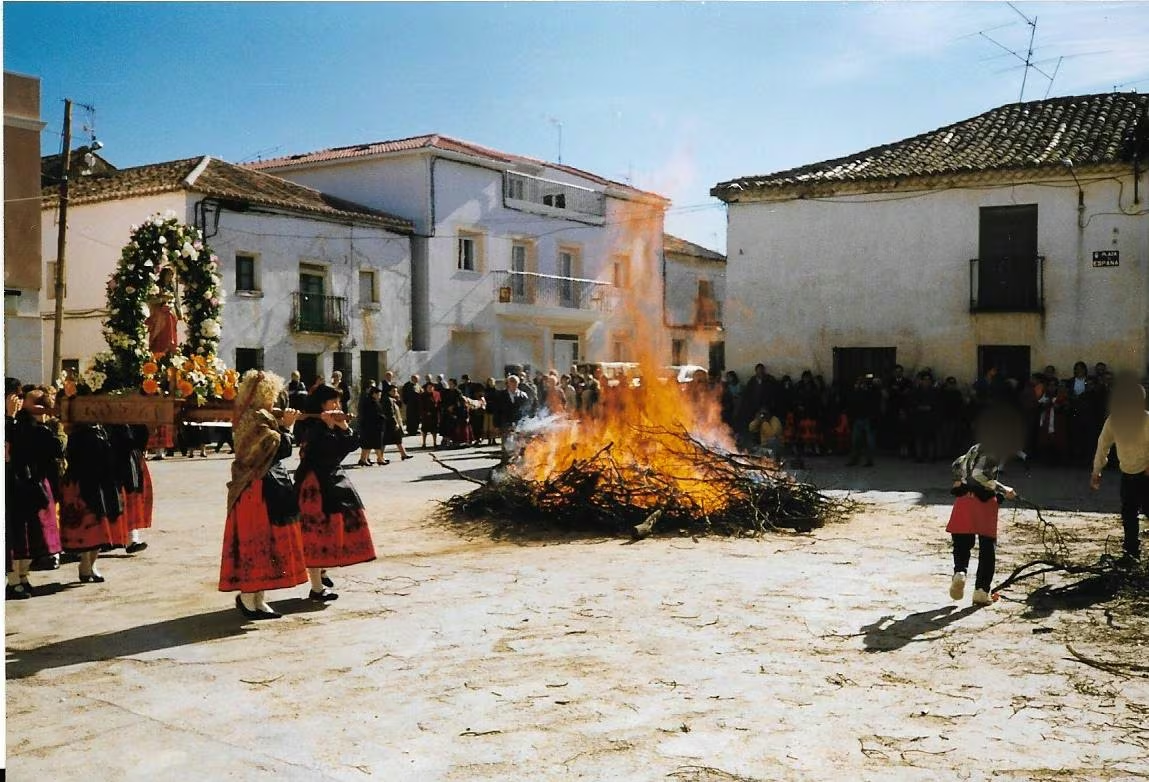
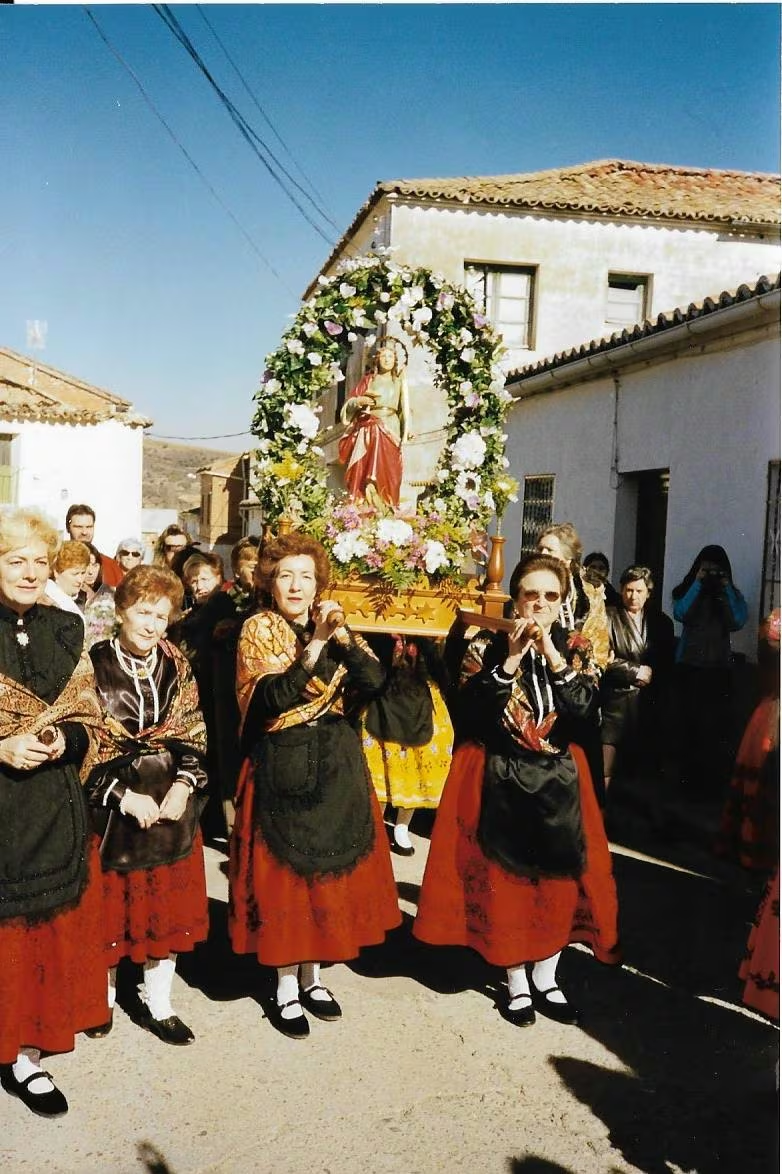
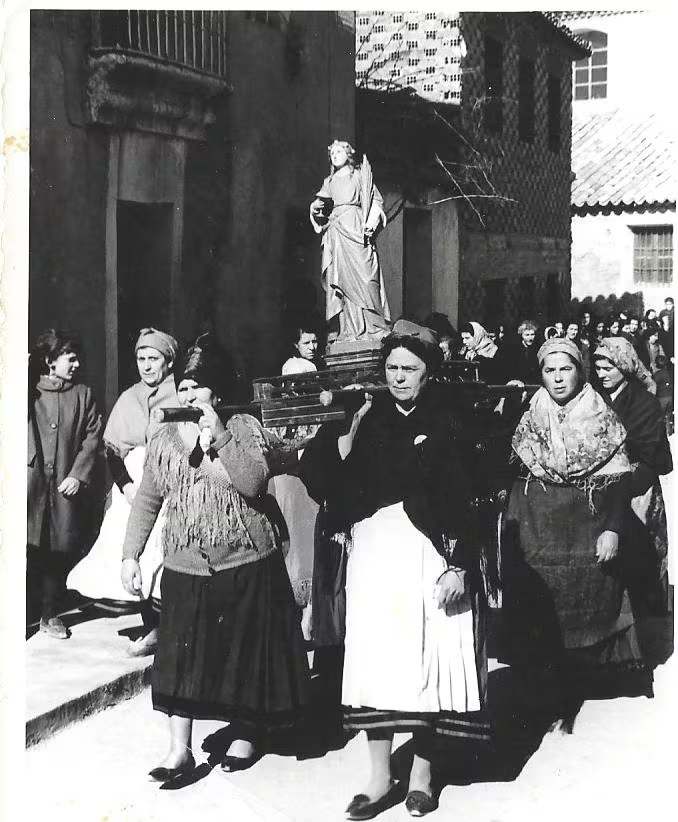
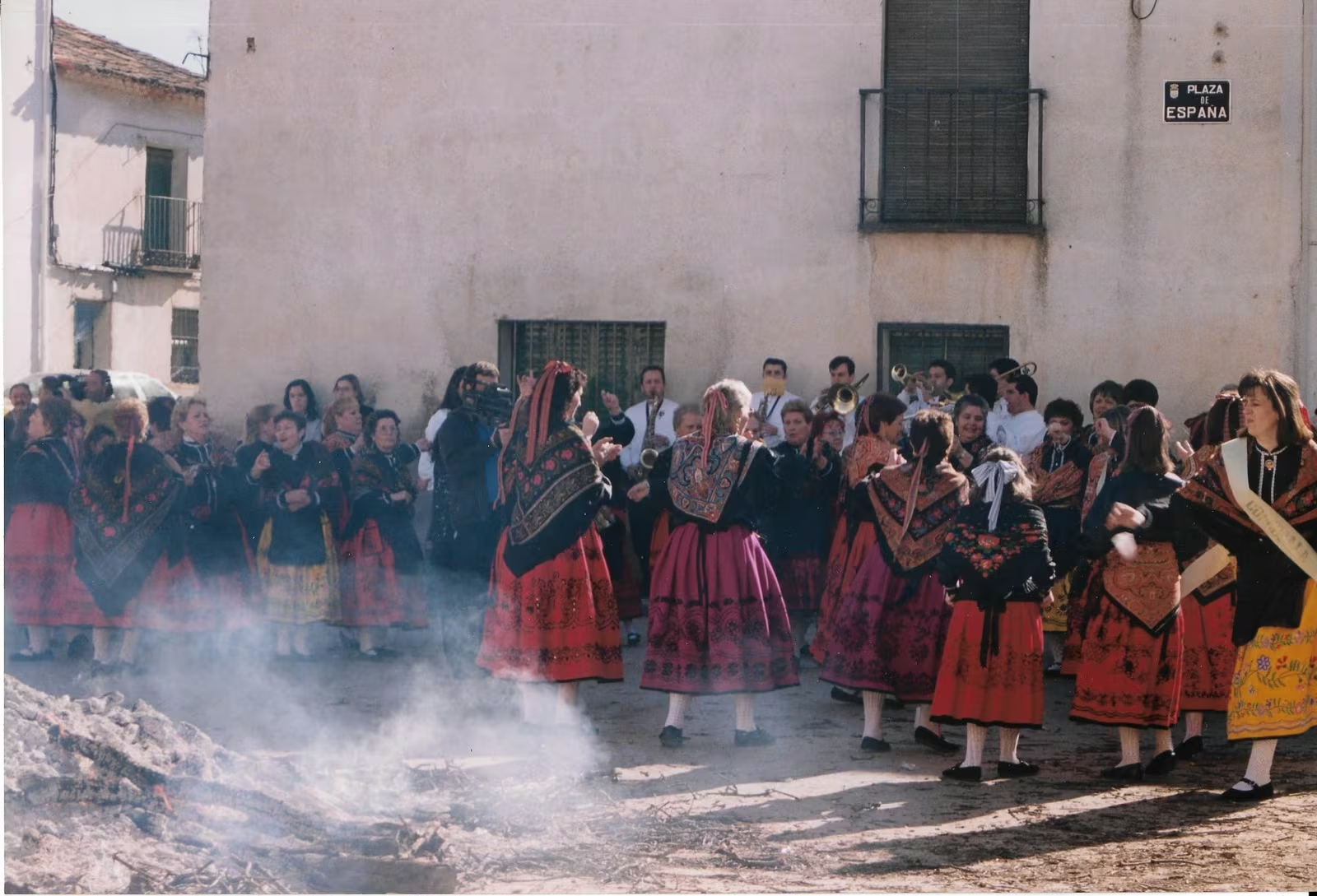
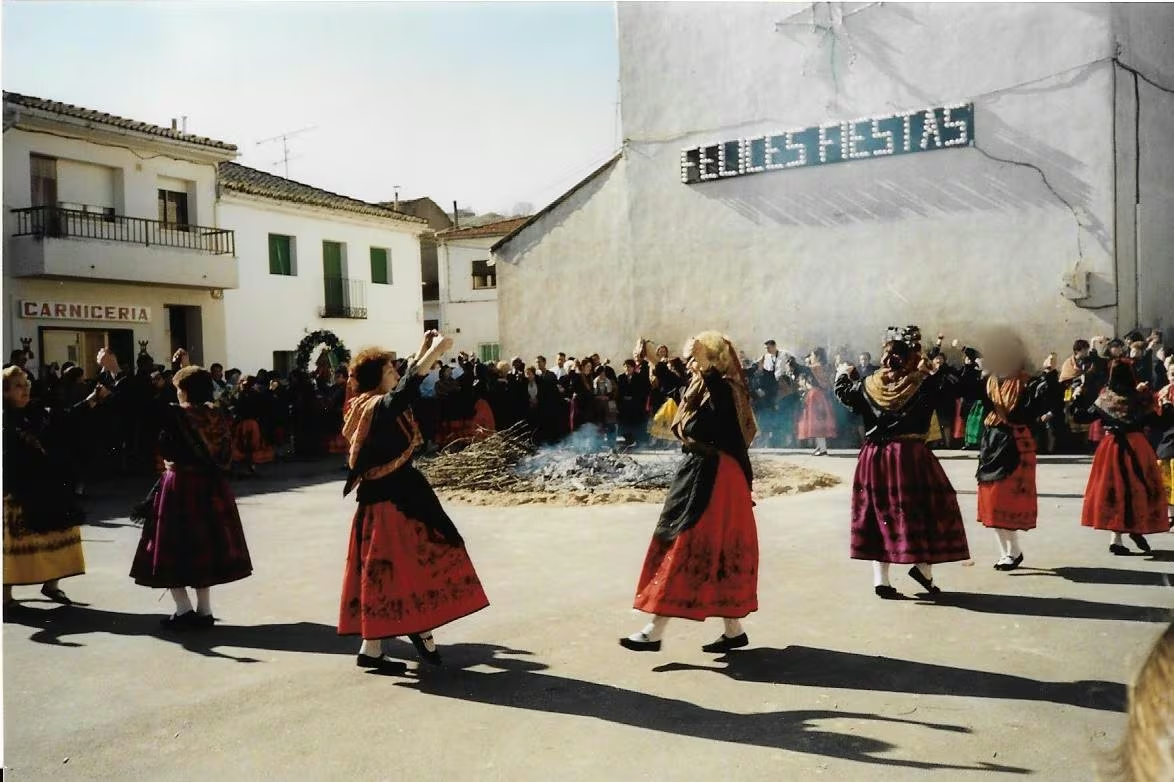
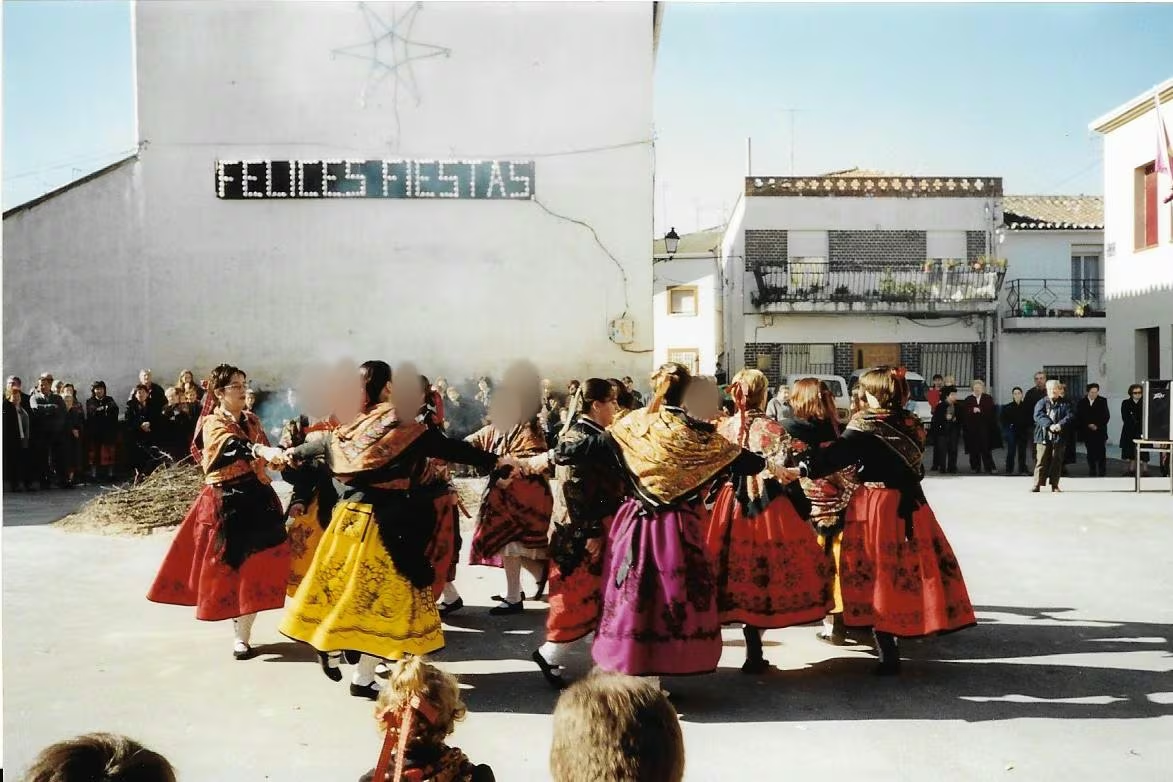
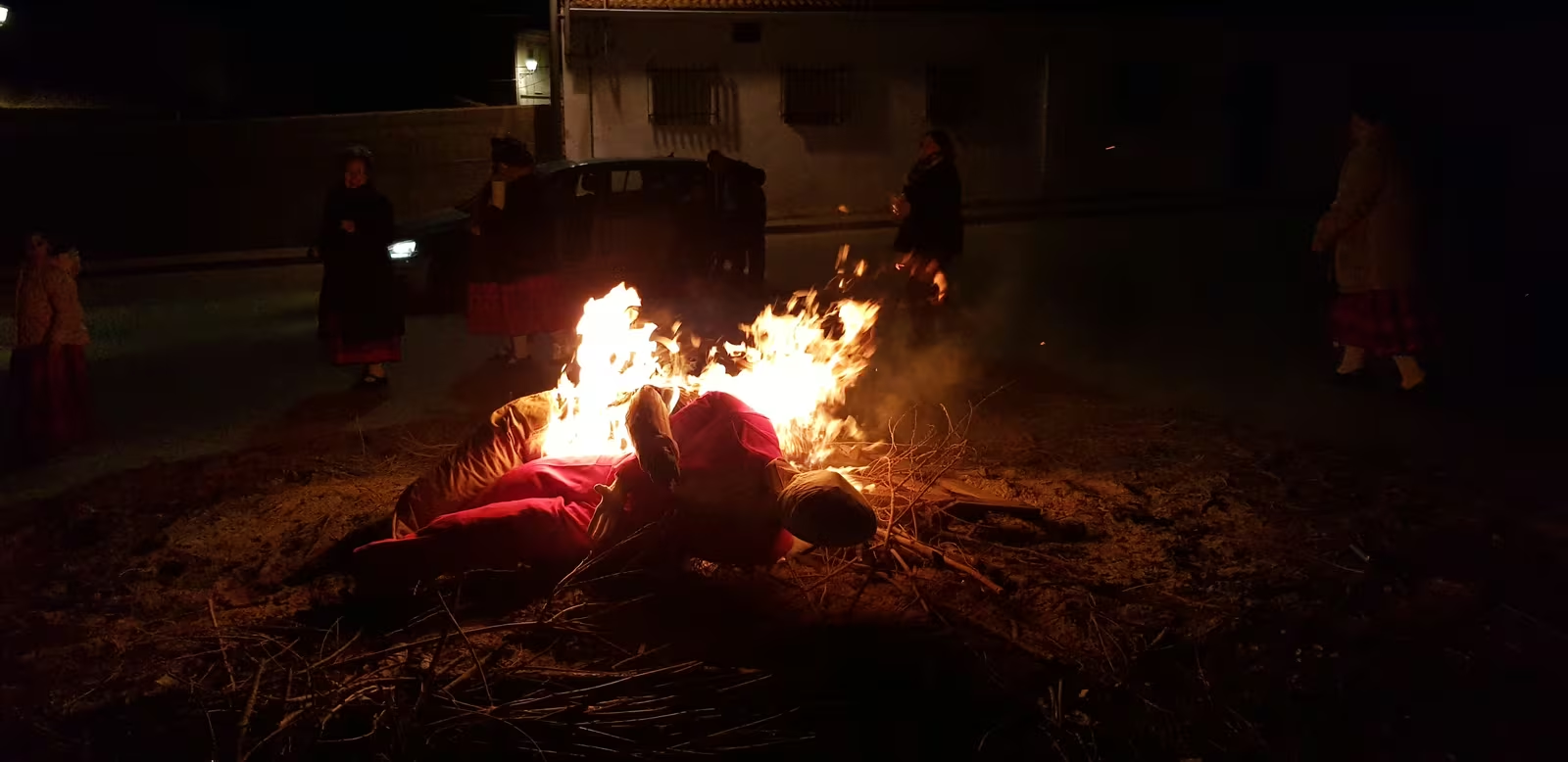
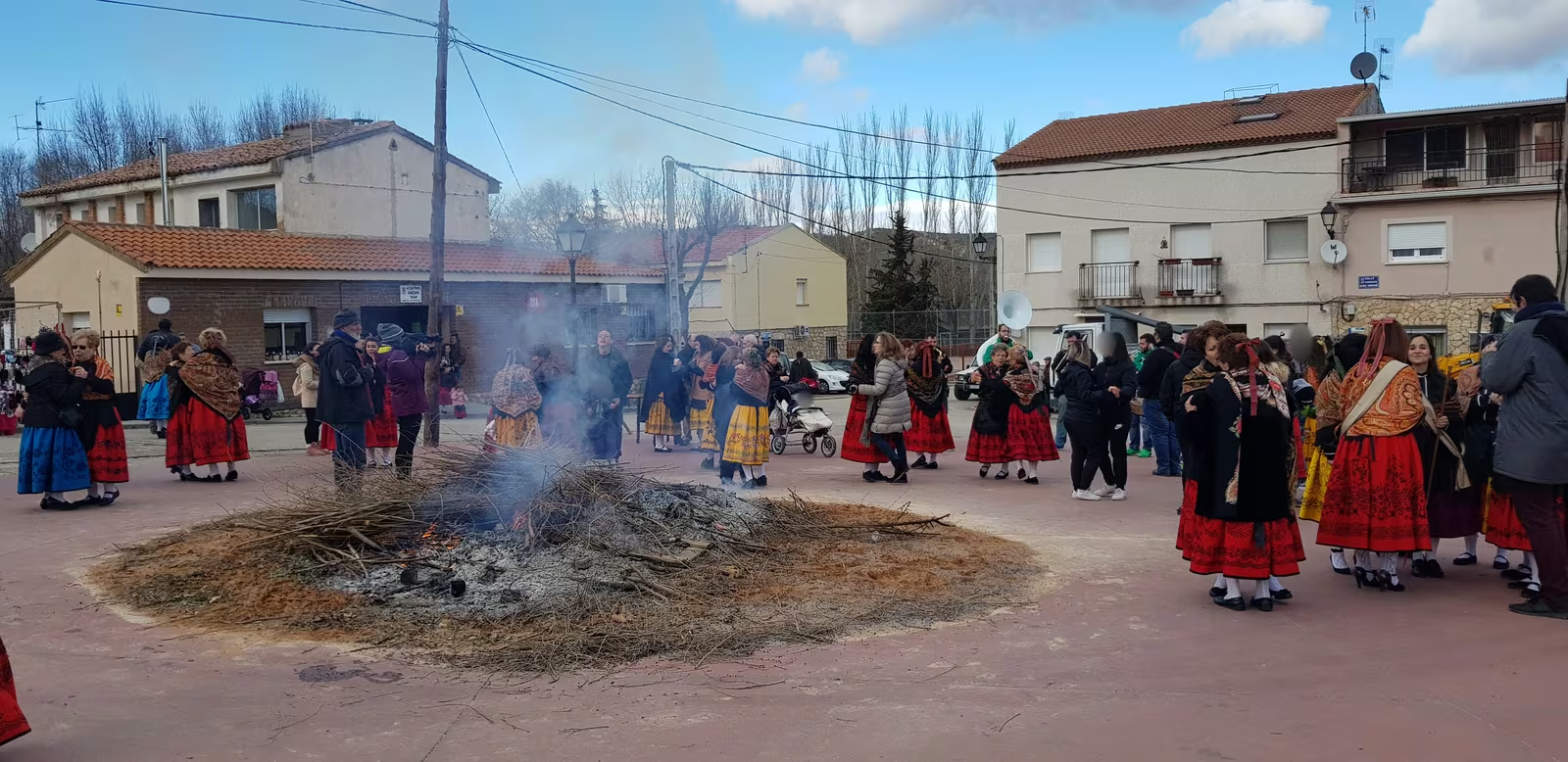
Saint Agatha comes out on the women’s shoulders under her arch of flowers and makes her way through the streets. At the bonfire the fire is blessed, one of the festival’s great symbols, and the Castilian jota dedicated to the village is danced around it as an offering to the saint.
Midnight
Things go back to normal
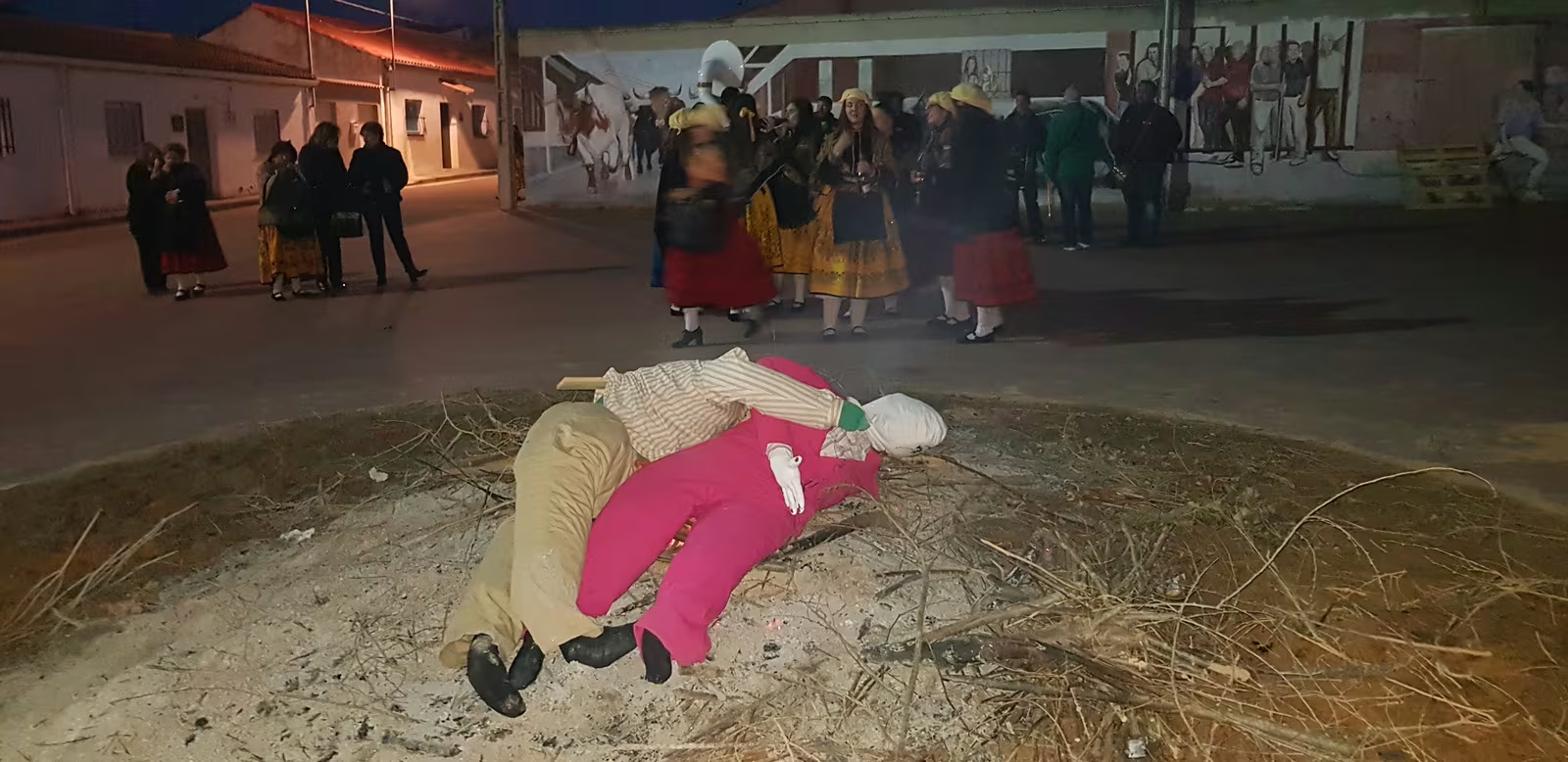
At twelve the mandate ends. As Miguel Mínguez wrote in 1991: «things go back to normal, and female power disappears». Until next year.
Where and when
Dates and places
When. On the first Saturday in February, as set by the resolution of 31 August 1998 (DOCM no. 42). Saint Agatha’s liturgical feast is 5 February, and for decades the festival was held on that very day. The change was made «to make it easier for all our águedas to take part», as the mayoress Orcelina Torre explained in 2012.
Where. The town hall and the Plaza de España, and the Plaza Roja, as the local press calls it; the parish church of Our Lady of the Assumption; and the streets along the route.
The cycle. Saint Blaise, the village’s patron, on 3 February; San Blasillo on the 4th; and Saint Agatha. A saying recorded by Mínguez sums it up, naming each day of early February in turn and ending with Saint Agatha on the fifth.
Plan your visit