Chapter 7 of 12
The bonfire
Two men arrive to sell firewood in a village that has none. The women are coming out of Mass. This is Espinosa’s own legend, and the reason for a fire every year.
The legend of the woodcutters
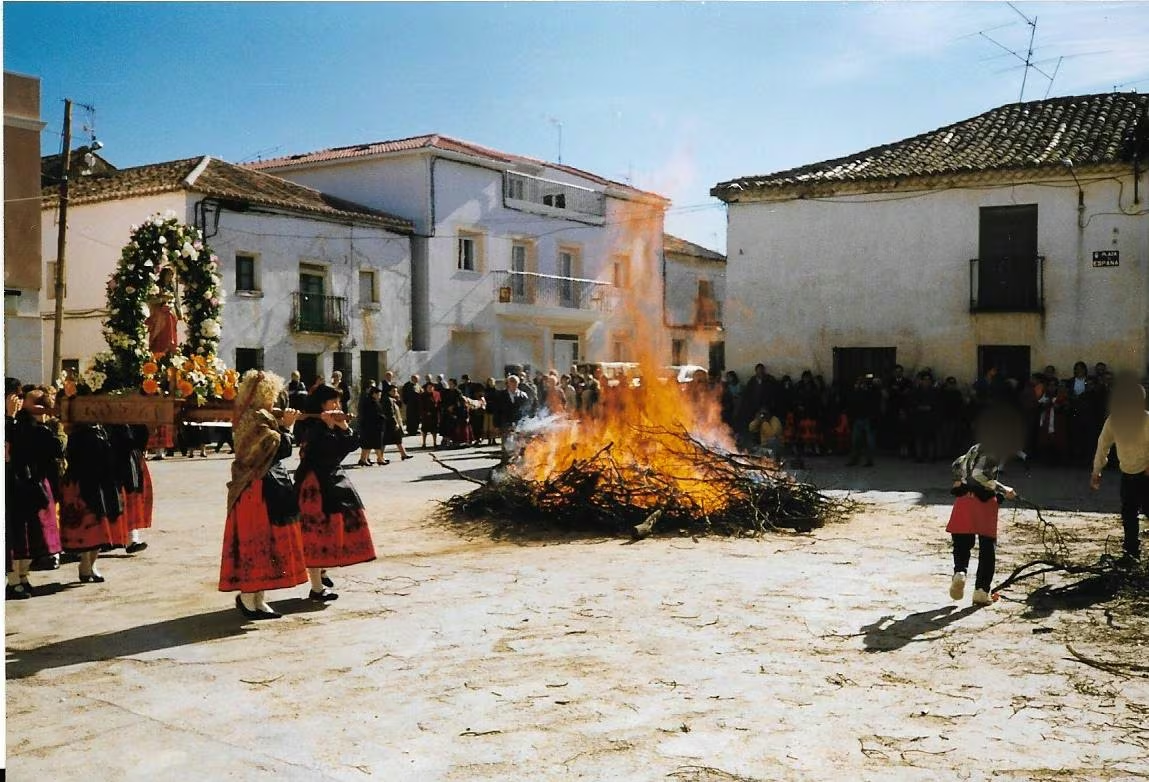
It was Saint Agatha’s Day and the women were coming out of Mass when two men appeared with their donkeys, laden with bundles of wood to sell. It was cold, and that wood seemed like a gift from heaven. They decided to keep it: they would spend the day warm in the square, roasting potatoes.
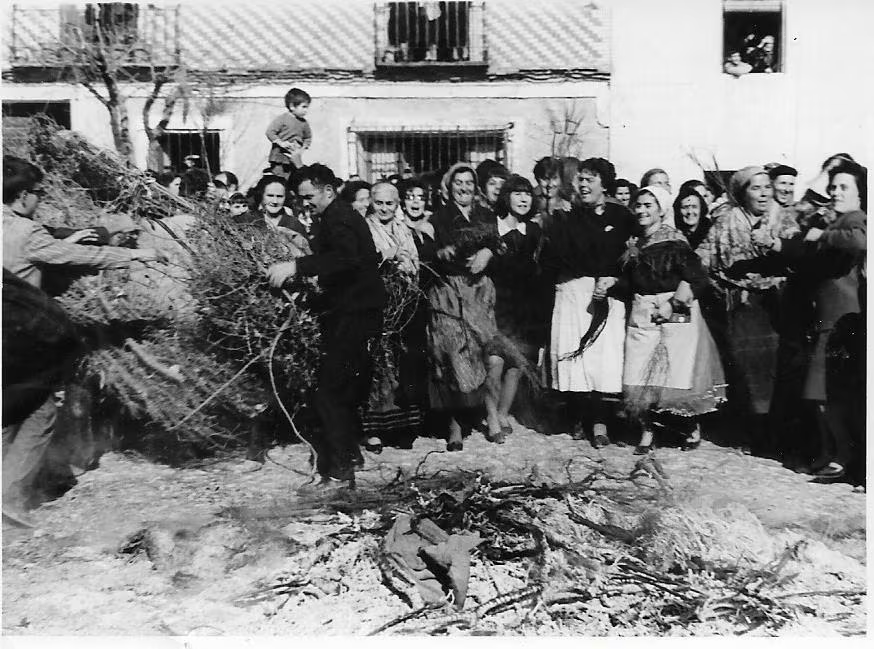
They made the two strangers unload and pile up the bundles, which the men did not dare refuse, and set them alight. When the men asked who would pay, they were told there was no money, and that they could sit and wait or come back next year with more. As evening fell the women took pity on them and paid as best they could.
Why firewood
Mínguez recorded this legend in 1991 and linked it to an answer the villagers gave Philip II: Espinosa was a «land short of firewood», which had to be bought from nearby hills. Perhaps that is why burning a load without paying for it was such an emphatic gesture.
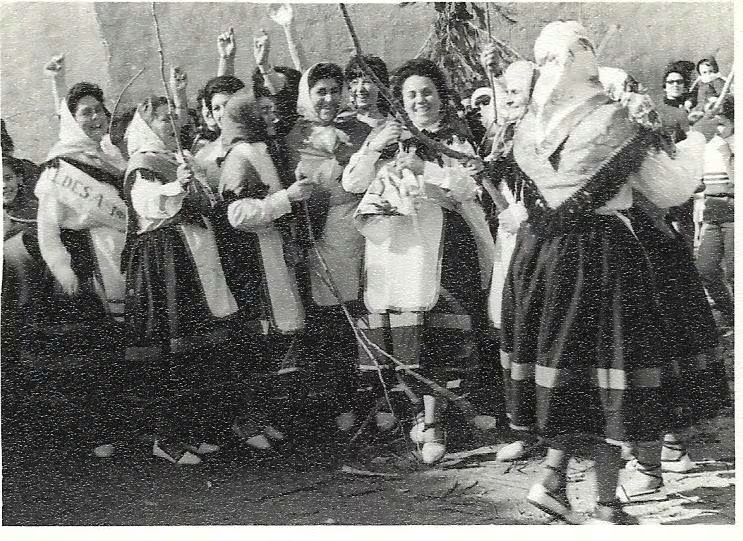
In 1960 ABC called it a «symbolic taking of possession of the village»: boys and young men would try to put it out with water or coarse salt, and the women defended it.
A little taller each year
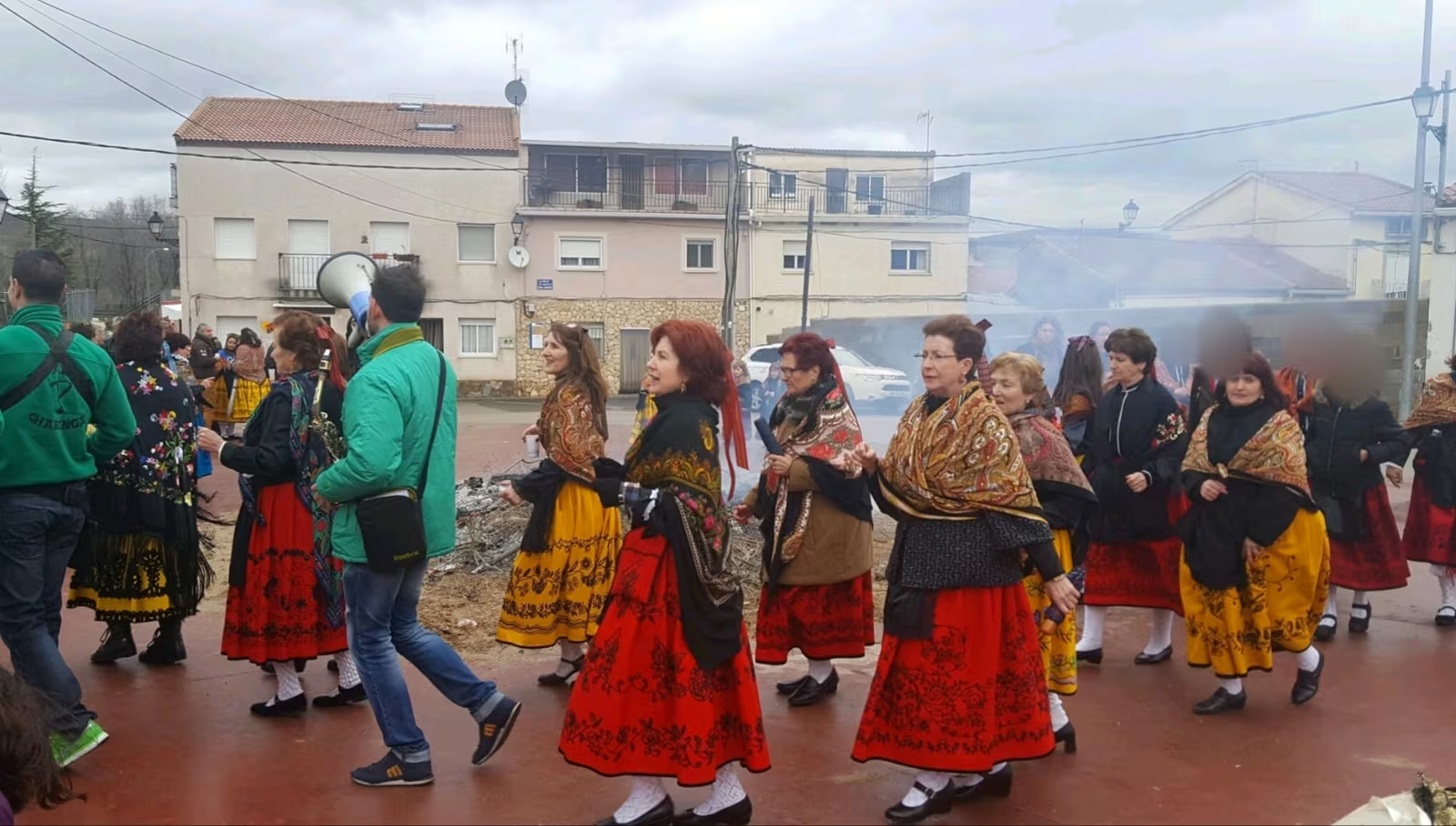
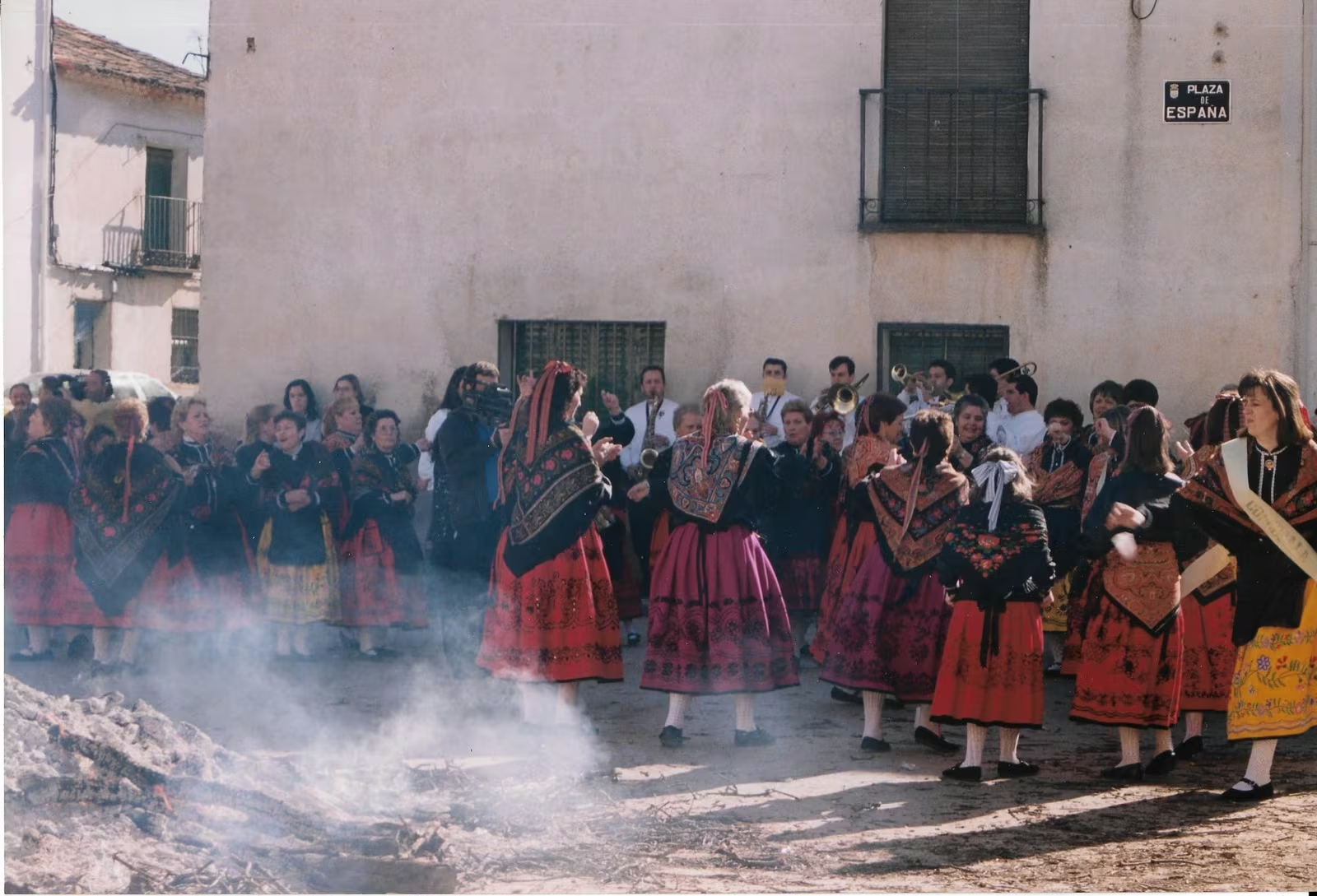
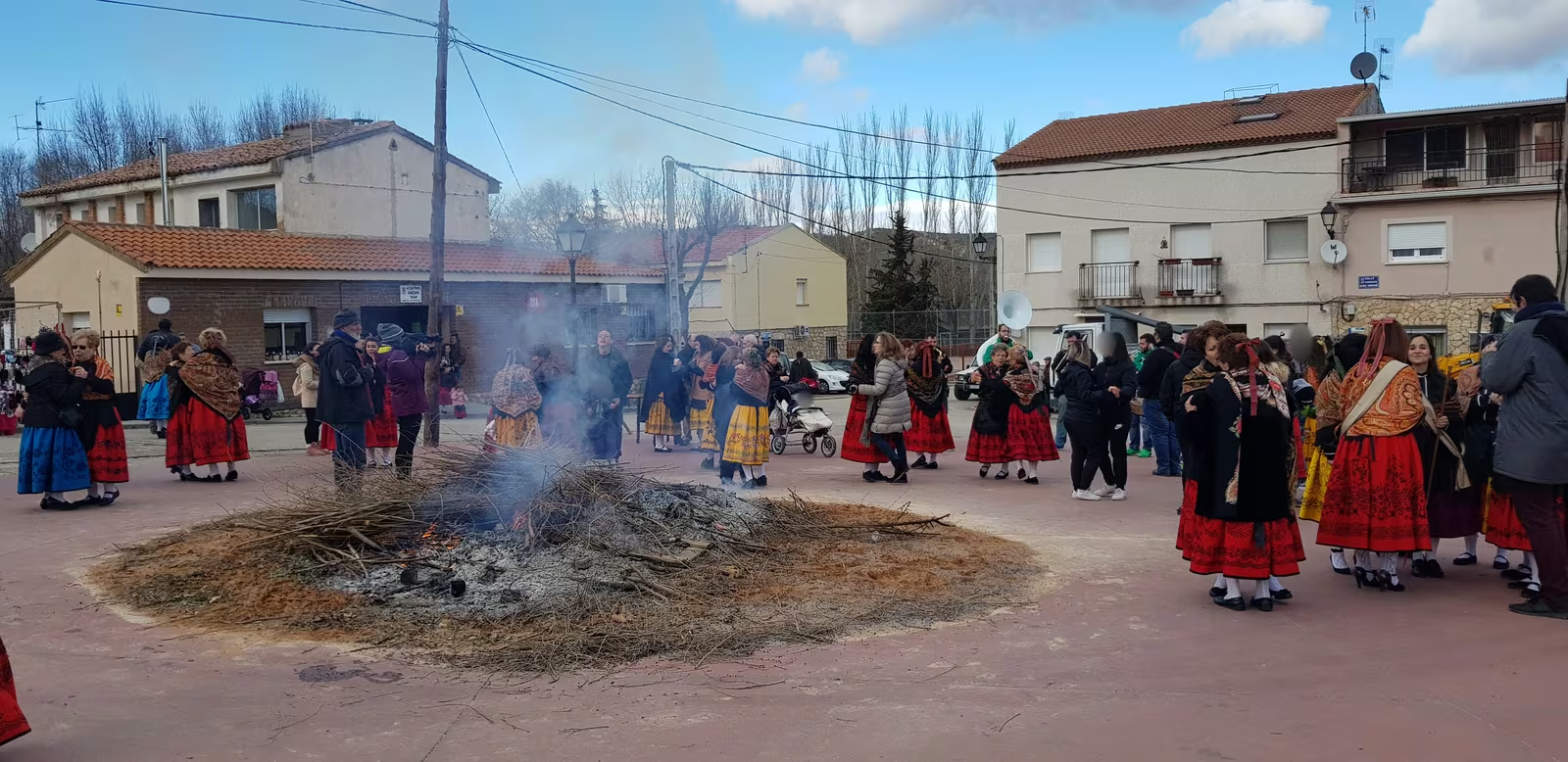
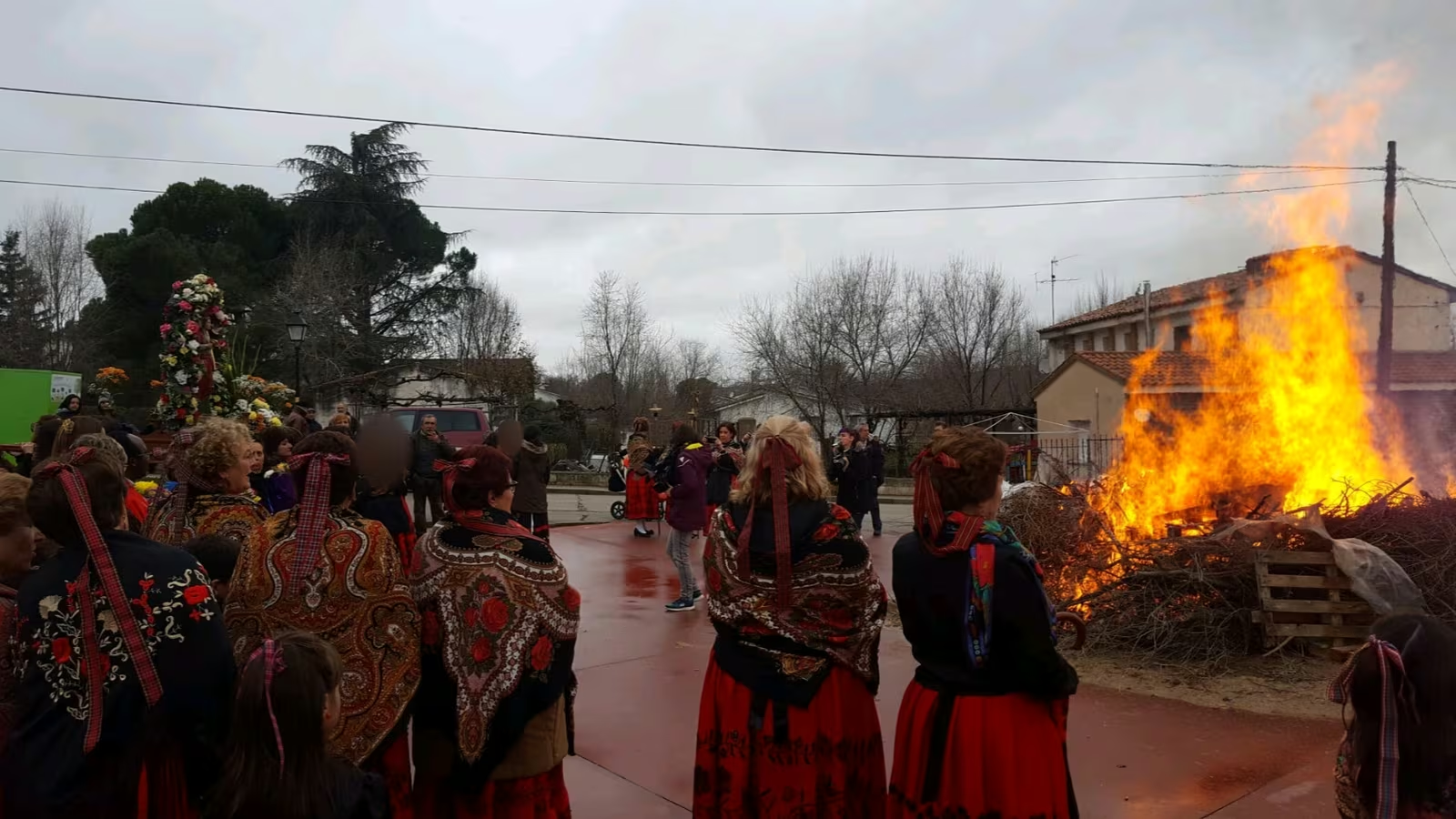
Today the bonfire is built in the square and, where possible, a little taller each year. The priest blesses it, people dance around it and more wood keeps going on so it lasts: good embers are needed for the peleles, and afterwards the youngsters enjoy what is left.